


Guide to Choosing an Ergonomic Chair Suitable for Body Shape and Workspace
Modern workspaces not only focus on productivity but also emphasize user health and comfort. On average, office employees spend more than 8 hours a day sitting at their computers. Poor posture, unsuitable chairs, or prolonged sitting can cause back pain, shoulder and neck strain, spinal degeneration, and reduced concentration.
That is why ergonomic chairs have become an important step forward in office interior design. Not only do they provide a comfortable seating experience, but they also positively affect the health of muscles, bones, and joints, helping employees maintain a professional posture and focused mindset. Choosing an ergonomic chair is not just selecting a piece of furniture, but choosing how you work and care for your body every day.
1. Why Ergonomic Chairs Have Become a Trend in Modern Offices
The technology era causes people to spend most of their time sitting. According to the World Health Organization, sitting continuously for more than 6 hours a day increases the risk of cardiovascular diseases, obesity, and musculoskeletal disorders. Poor posture can also curve the spine, cause chronic back pain, and affect the nervous system.
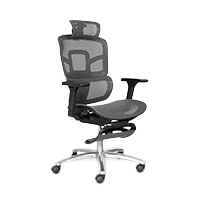
This is why ergonomic chairs were created, based on the principles of ergonomics, combining human body science and design techniques. Every curve and angle of the chair is calculated to provide maximum support for the spine, neck, shoulders, and lower back.
A standard ergonomic office chair usually has the following features:
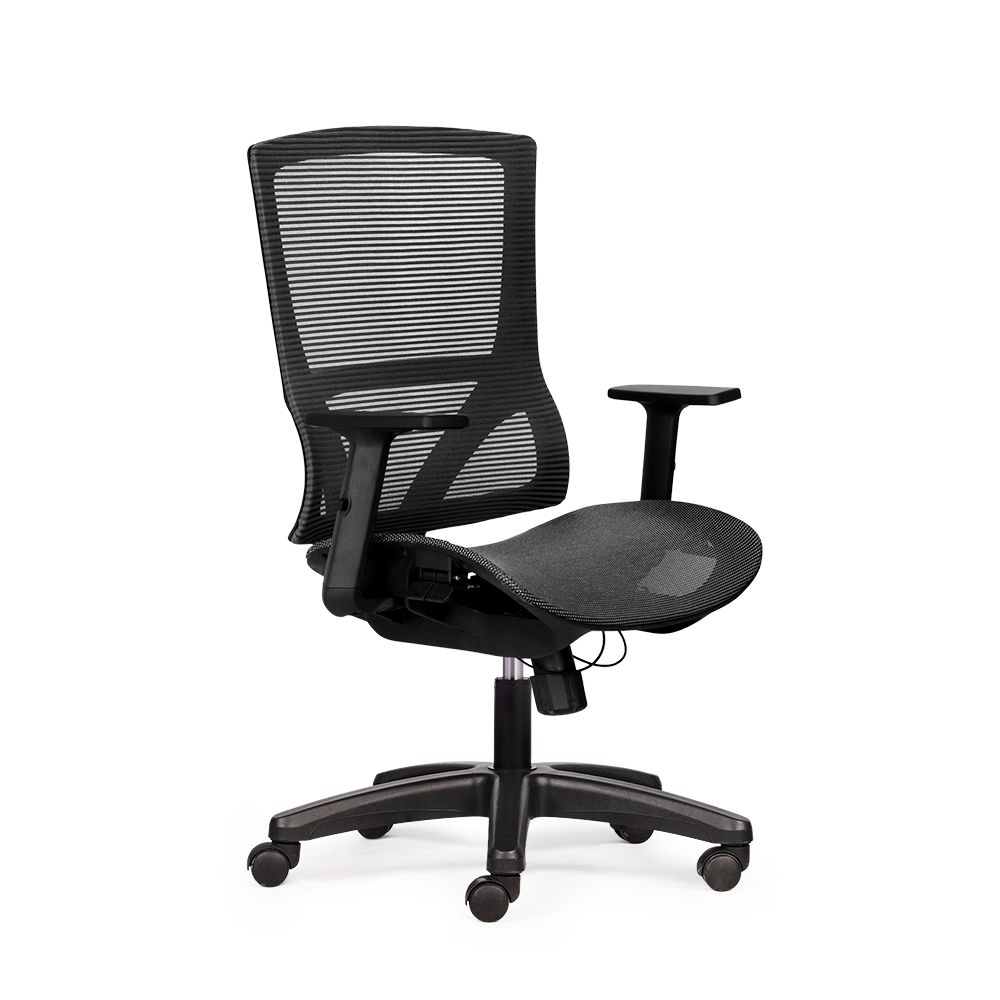
- Naturally curved backrest, fitting the spine’s curves.
- Adjustable lumbar support to reduce pressure on the lower back.
- Elastic seat cushion that distributes body weight evenly.
- Adjustable height and armrests to suit different body types.
According to the Journal of Occupational Rehabilitation, employees using ergonomic chairs reduce back pain symptoms by up to 54% compared to those using traditional chairs. Research from Herman Miller also shows that investing in ergonomic chairs increases productivity by an average of 17% thanks to reduced fatigue and improved sitting posture.
Not only a trend, ergonomic chairs have become a standard for modern offices, where comfort, health, and work efficiency are equally important.
2. Factors to Consider When Choosing an Ergonomic Chair
Choosing an ergonomic chair cannot be based on intuition. A suitable chair should be evaluated according to these criteria:
Height and Adjustability
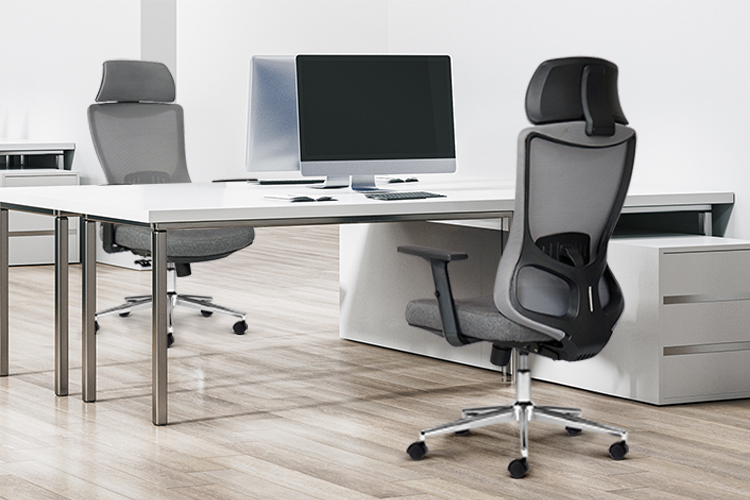
The chair should have a hydraulic piston for flexible height adjustment, allowing users to rest their feet comfortably on the floor, knees at a right angle, and arms parallel to the desk. This ensures even weight distribution and reduces pressure on the back and thighs.
Backrest and Lumbar Support
The backrest should have a natural S-curve, fully supporting the spine and preventing slouching. Adjustable lumbar support allows it to fit different body types, reducing lower back pain, a common problem for office workers.
Material and Breathability
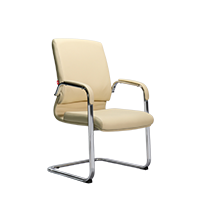
Mesh ergonomic chairs are popular for ventilation and heat dissipation, suitable for warm climates. In air-conditioned or cooler environments, cushioned chairs with fabric or leather provide a soft and luxurious feel.
Armrests and Mobility
Armrests should allow height, angle, and rotation adjustments to support wrists while typing. Chair bases should have soft PU casters for smooth movement without scratching floors.
Considering all these factors will help you find the ideal ergonomic chair that provides comfort, posture support, and optimal long-term work experience.
3. Choosing a Chair According to Body Type and Workspace
Not everyone has the same body type, and workspaces vary. Therefore, choosing an ergonomic chair should be personalized for maximum effectiveness.
Tall users
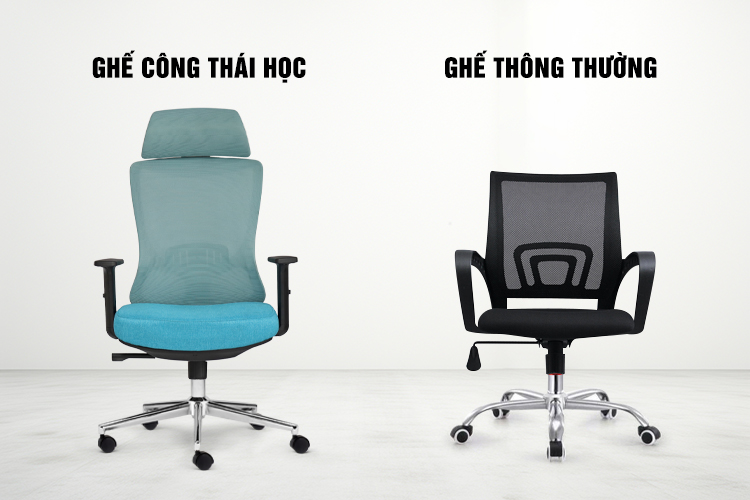
For taller individuals (over 1.75 m), choose chairs with a high backrest and adjustable headrest. The seat should be deep enough (around 45–50 cm) to support the thighs. Chairs with wide-range height adjustment pistons allow flexible use with desks.
Short or petite users
Choose chairs with shallower seats (35–40 cm) so that feet touch the floor easily. Avoid backrests that are too tall to prevent the “swallowed” feeling. Narrow, adjustable armrests suit smaller shoulders.
Average or medium-height users
Those between 1.6–1.75 m should prioritize chairs with lightly curved backrests, elastic seat cushions, and 3D adjustable armrests for proper support during long hours.
Small workspaces
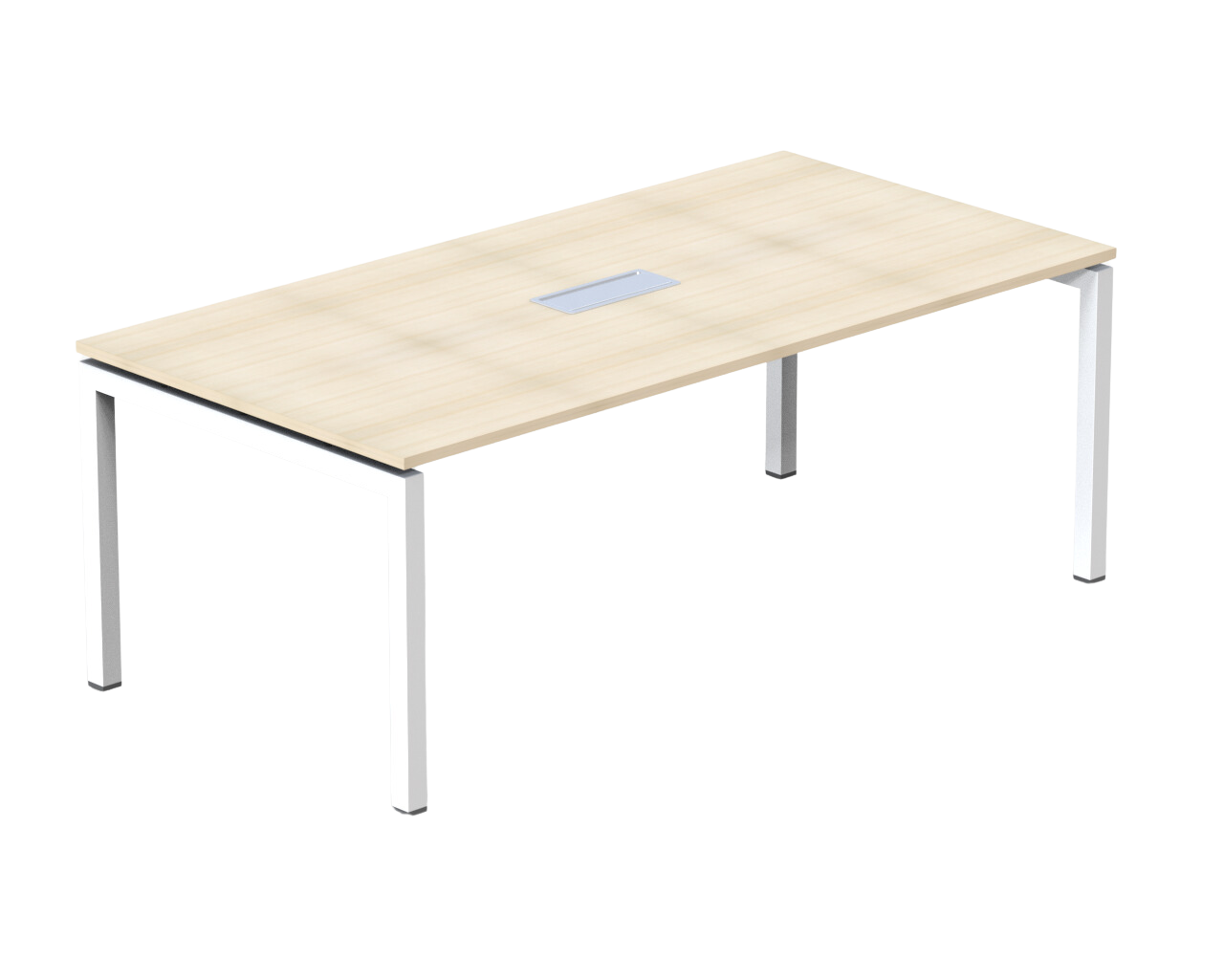
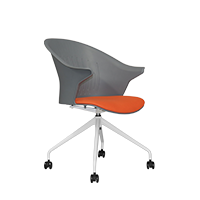
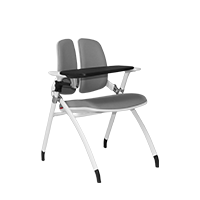
For compact offices, choose chairs with a slim frame, low-profile base, and light colors (white, beige, light grey) to visually expand the space.
Open-plan or modern coworking spaces
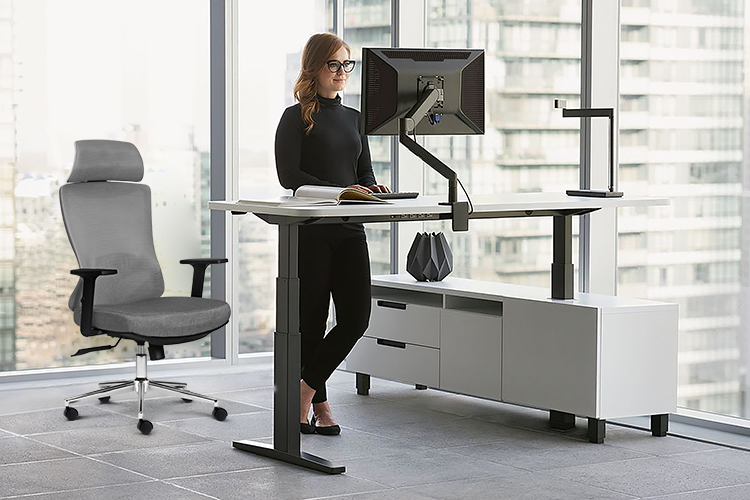
Neutral mesh chairs in black, grey, or navy blend well with modern interiors. Minimalist frames and powder-coated steel not only look modern but also integrate easily with standing desks or modular furniture.
A suitable chair harmonizes with both your body and workspace, creating a balanced combination of aesthetics and function.
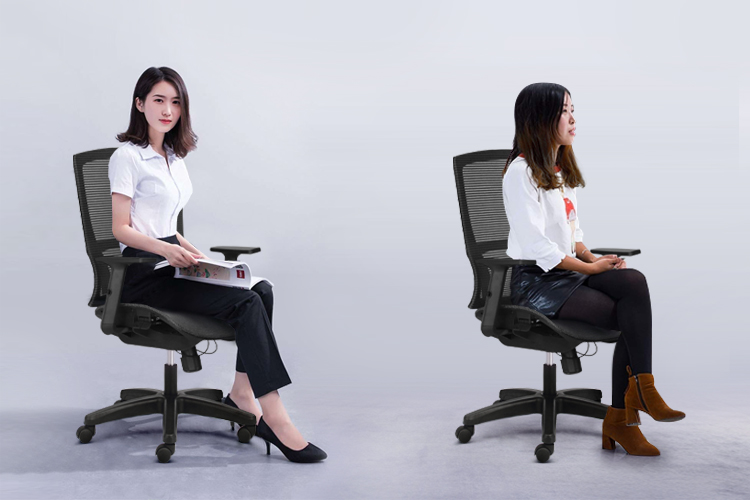
4. Tips to Maximize Ergonomic Chair Effectiveness
Even the best chair won’t work if used incorrectly. Follow these guidelines to fully utilize its features:
Set a proper sitting posture before starting work
- Lean fully into the backrest, shoulders relaxed.
- Angle between torso and thighs around 100–110° to reduce spinal pressure.
- Feet flat on the floor, knees at or slightly below hip level.
- Eyes level with the top third of the monitor, avoid neck bending.
Combine with a desk of suitable height
Ergonomic chairs perform best with height-adjustable desks, allowing users to alternate between sitting and standing, reducing numbness and improving circulation.
Take light movement breaks every hour
Walk or stretch for 3-5 minutes every 60 minutes. Small movements improve focus and reduce stress.
Regular maintenance and cleaning
Clean mesh chairs to maintain breathability. For leather chairs, wipe with a soft cloth and use appropriate conditioners to maintain color and shine.
A well-used chair becomes a long-term companion for years of work.
Conclusion
In the era of flexibility and health focus, ergonomic chairs are indispensable in every modern office. They protect the spine, reduce fatigue in the back and shoulders, and help maintain energy, focus, and creativity throughout the day.
The Mia ergonomic chairs are designed to balance functionality, aesthetics, and user health. With premium breathable mesh, powder-coated steel frames, and multi-point adjustability (armrests, headrest, lumbar support), every chair delivers full comfort.
Whether in corporate offices, home offices, or coworking spaces, The Mia offers options that ensure proper posture, high energy, and a modern workspace.
For businesses, dealers, or architects seeking flexible office solutions, contact The Mia via hotline 1900 0324 or submit a form on the website for free design consultation and 3D layout planning.
The Mia - Modern, unified, and professional office furniture solutions.
Other news

- Business Registration Number: 0305955903, date of Issue: September 3, 2008
- Issued by: Department of Planning and Investment of Ho Chi Minh City
- Legal Representative: Nguyễn Thành Long

