


Office desk a foundational solution for modern workspaces
In a work environment that increasingly prioritizes performance, employee experience and brand image, the office desk is no longer just a basic piece of furniture. Today, the desk plays a central role in shaping the workspace, directly affecting sitting posture, ability to concentrate, level of interaction and the overall sense of professionalism within a business.
From individual work desks and manager desks to meeting tables and executive desks, each type carries its own features and functions. Choosing the right desk not only helps optimize floor space but also contributes to building a scientific, modern and sustainable working environment. In this article, we explore selection criteria, design trends, layout methods and buying experience for quality office desks for different usage needs.
Criteria for choosing office desks
To select suitable office desks, companies need to consider a combination of factors such as available space, job nature, number of employees and long term development plans. A good desk should not only meet current needs but also be flexible enough to adapt when the office expands or changes its working model.
How space influences the choice of office desks
Office space is the first factor to consider when choosing work desks. In offices with limited area, using oversized desks can make the space feel cramped, block walkways and reduce comfort. In this case, compact and minimalist desk designs are more suitable.
In contrast, larger offices allow greater flexibility with large desks, L shaped desks or desks with side cabinets. Careful measurement of the floor area before purchasing helps avoid wasted cost and ensures efficient use of space.
Materials and durability the factors that determine desk lifespan
Material is a key factor affecting durability and long term cost of office desks. MFC engineered wood with melamine coating is widely used today thanks to its scratch resistance, moisture resistance and easy cleaning, making it suitable for offices with high usage frequency.
Besides the desktop, desk legs also deserve attention. Powder coated steel legs provide strength, stability and high durability, while wooden legs create a warmer and more harmonious feeling. A balanced combination of materials and structure helps maintain both aesthetics and function over time.
Shape and size the factors that create working comfort
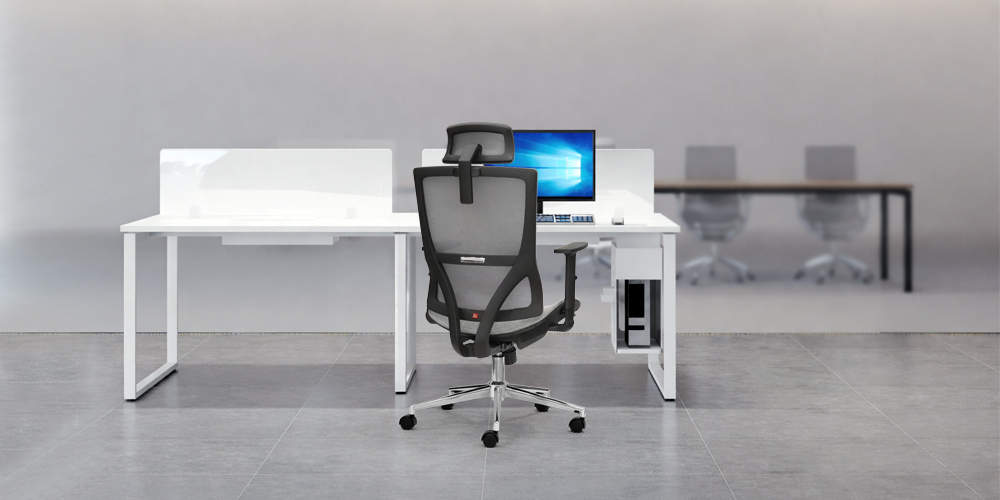
Desk shape directly affects sitting posture and comfort during long working hours. Modern desk designs usually favor minimalism, reducing unnecessary details to help users focus better.
Desk size should match the nature of the job. Positions that handle many documents need wider surfaces, while laptop based work can use more compact desks to save space. A properly sized desk reduces fatigue and improves productivity.
How to arrange desks to optimize space and productivity
Scientific desk layout is essential for smooth office operation. The distance between desks should be wide enough to keep walkways clear, reduce collisions and minimize unnecessary noise.
Desks should also be placed near natural light sources while avoiding direct glare on screens. Arranging desks according to logical movement flows helps employees move more easily, increasing efficiency and reducing stress.
Popular modern office desk trends
Modern desk trends today go beyond appearance and reflect changes in how companies organize workspaces. Offices increasingly favor simplicity, flexibility and user experience instead of bulky and overly detailed desks.
In terms of color, neutral tones such as white, gray, beige and light wood grain are popular because they create an airy feel and match many interior styles. These colors also keep desks looking professional and less outdated over time.
Integrated function is another strong trend. Desks with drawers, cable trays, cable holes or built in sockets keep work areas tidy and support technology heavy environments. This is especially suitable for high frequency workspaces.
Modular desk systems are also becoming common for fast growing businesses. Their flexible assembly allows easy expansion, reduction or rearrangement when team size changes, helping optimize long term investment.
Benefits of using modern office desks
Modern office desks bring practical benefits to both individuals and organizations. Ergonomic designs support correct sitting posture and reduce strain on the spine, neck and shoulders during long working hours.
They also help optimize space. Compact designs with smart storage keep work areas tidy, improving focus and efficiency. A well organized workspace reduces time spent searching for documents and minimizes distraction.
From a business perspective, investing in modern and uniform desks helps build a professional image. A well equipped office leaves a positive impression on clients and partners and boosts employee morale and engagement.
Key criteria when choosing modern office desks
When selecting desks, companies should look at flexibility so desks can match chairs, cabinets, partitions and other accessories. This allows easy layout changes or expansion without replacing all furniture.
Material quality and structure are equally important. A good desk should be strong, stable and able to handle heavy daily use. Durable materials help reduce maintenance and replacement costs.
Warranty, bulk supply capability and technical support also matter. A reliable supplier not only ensures product quality but also supports installation, maintenance and future adjustments.
Choosing modern office desks by usage needs
A professional workspace cannot use one desk model for all positions. Employees, managers, executives and meeting rooms have different requirements. Choosing the right desk for each group helps optimize space, improve comfort and clearly reflect each role in the organization.
Below are typical directions for different user groups with practical solutions from The Mia.
Staff desks compact and efficient solutions
Staff desks should be compact, provide enough working area and basic storage. They are used most frequently and for long hours, so comfort and convenience are priorities.
A suitable staff desk should have enough surface for laptop, monitor and documents, plus drawers or cabinets to keep things organized. A simple modular design also makes it easy to expand or rearrange.
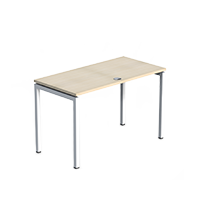
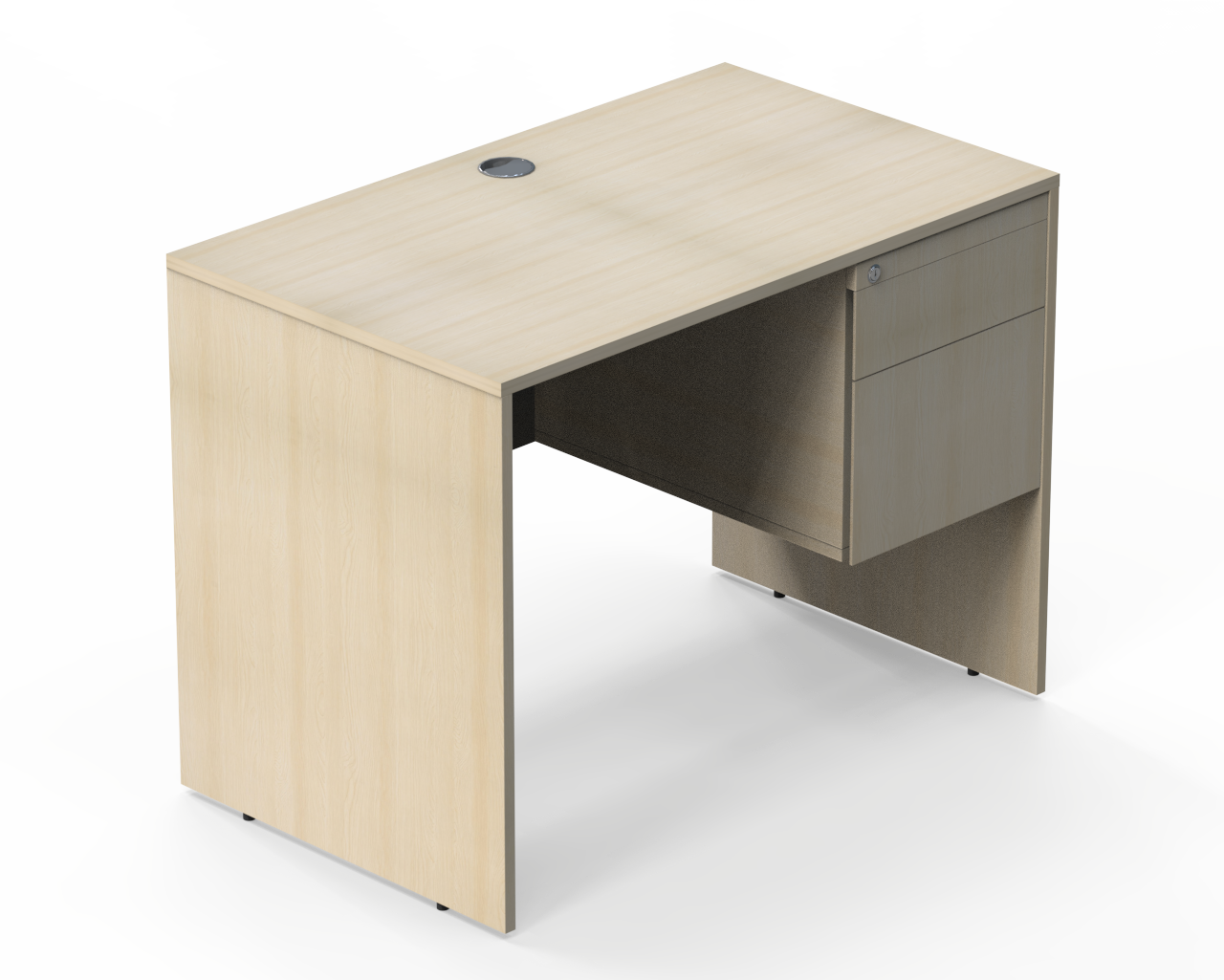
The Woodi single desk with drawer BDWH-1407 is a typical example. With size W1400 D700 H750 mm, it offers comfortable workspace without taking too much room. The integrated drawer helps keep documents and personal items tidy.
The 25 mm thick MFC melamine board ensures durability and easy cleaning, ideal for constant office use. Its neutral modern look fits many interior styles.
Cluster desks for small teams
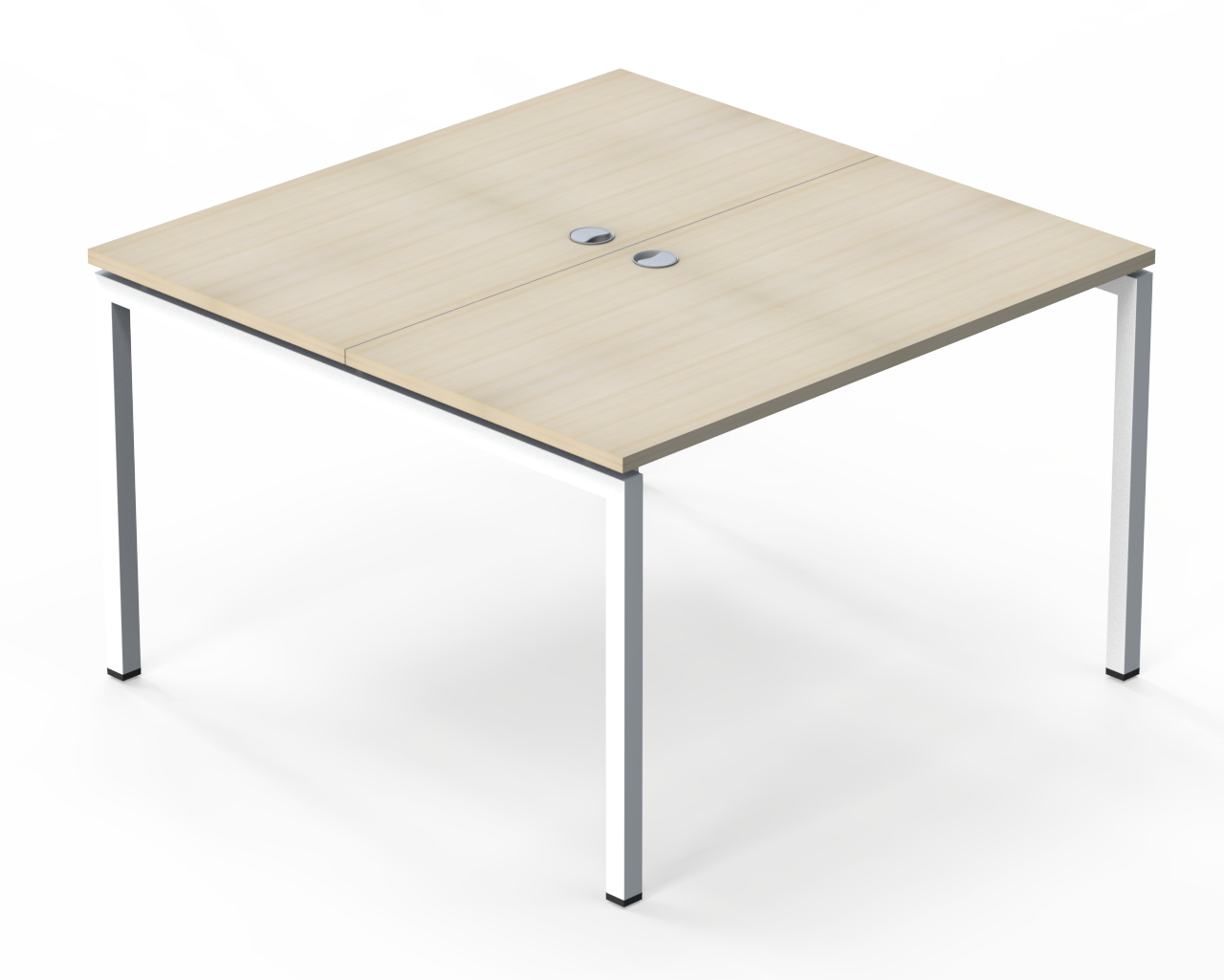
For small teams, especially two people, desks should balance space efficiency and personal area. Cluster desks use floor space better than separate desks while still allowing cooperation.
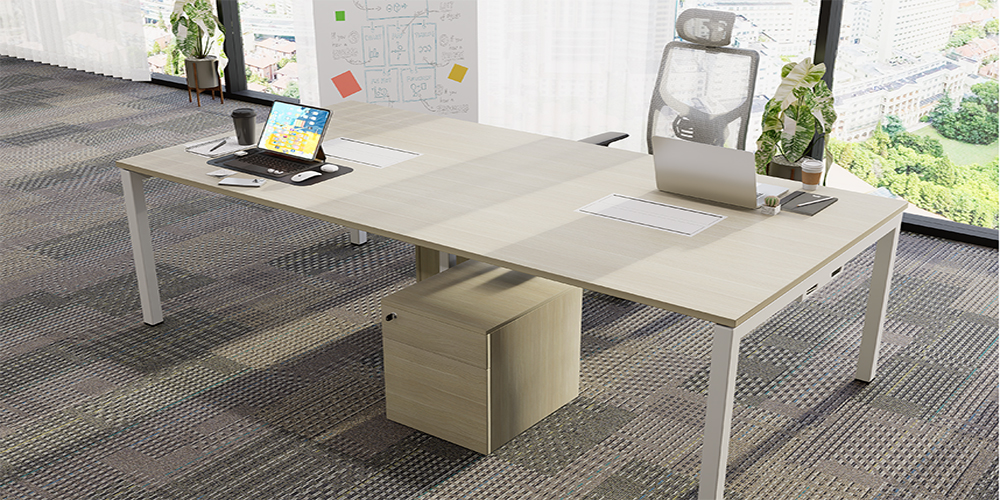
An ideal cluster desk should be sturdy, properly sized and visually simple. Color and style should also match the overall office interior.
The Square BCS 1412 two seat cluster desk fits modern offices well. Its compact cluster design saves space while giving each user enough room. Powder coated steel frame and melamine MFC top provide long lasting stability.
Its clean modern style works in both traditional and open plan offices.
L shaped desks for managers balancing function and style
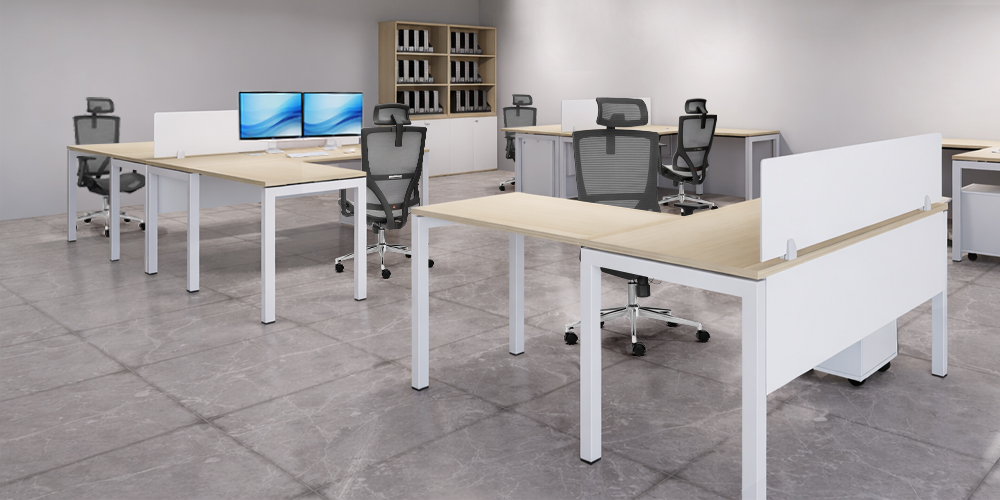
Managers need larger desks for multiple devices, documents and internal meetings. L shaped desks are popular because they expand work surface and separate main and secondary areas.
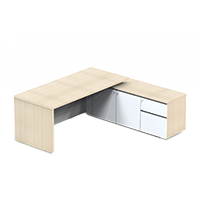
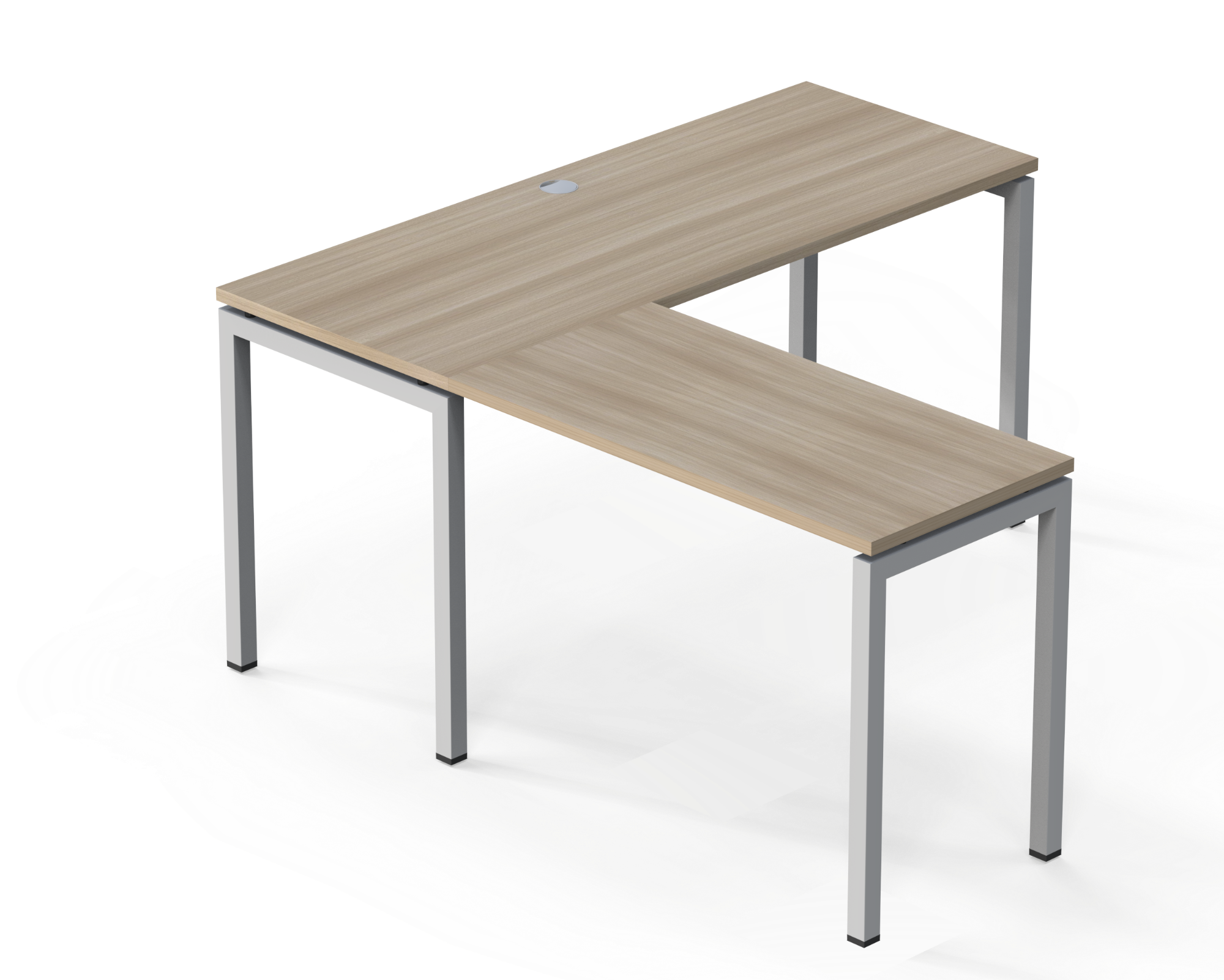
The Ovani BTP04-1612 manager desk is a good example. Its L shape optimizes space for computers, files and devices. Oval powder coated steel legs provide strength, while the melamine MFC top gives a modern durable finish.
Reference article L shaped desks a solution for small offices.
>>> See related article: L shaped desk the optimal solution for small offices
Meeting tables for connection and decision making
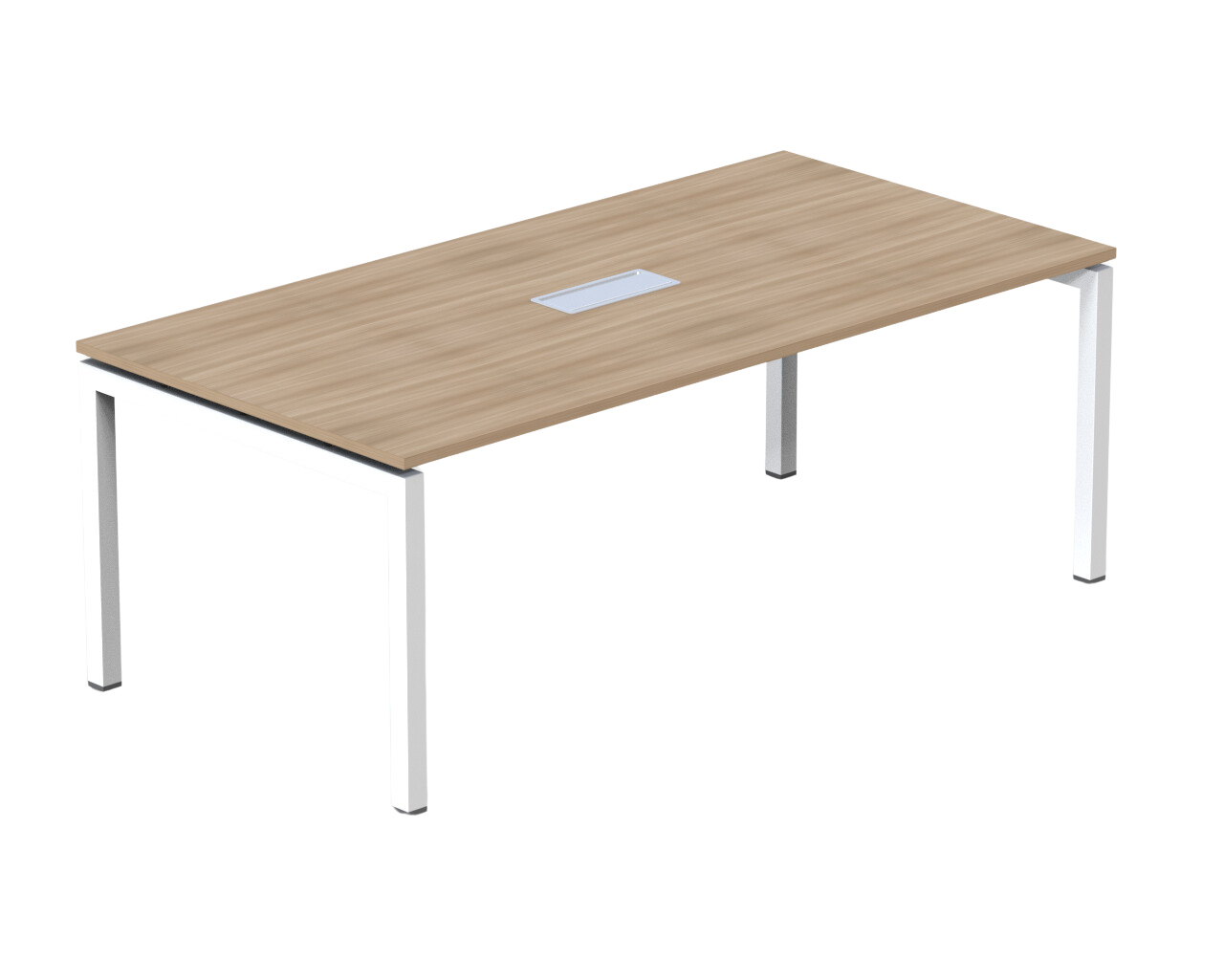
Meeting rooms host discussions and important decisions, so tables must be spacious and durable. They should allow everyone to sit comfortably, share documents and use meeting equipment.
Modern meeting tables favor simple shapes and easy matching with chairs and devices. Custom colors and accessories help align with company branding.
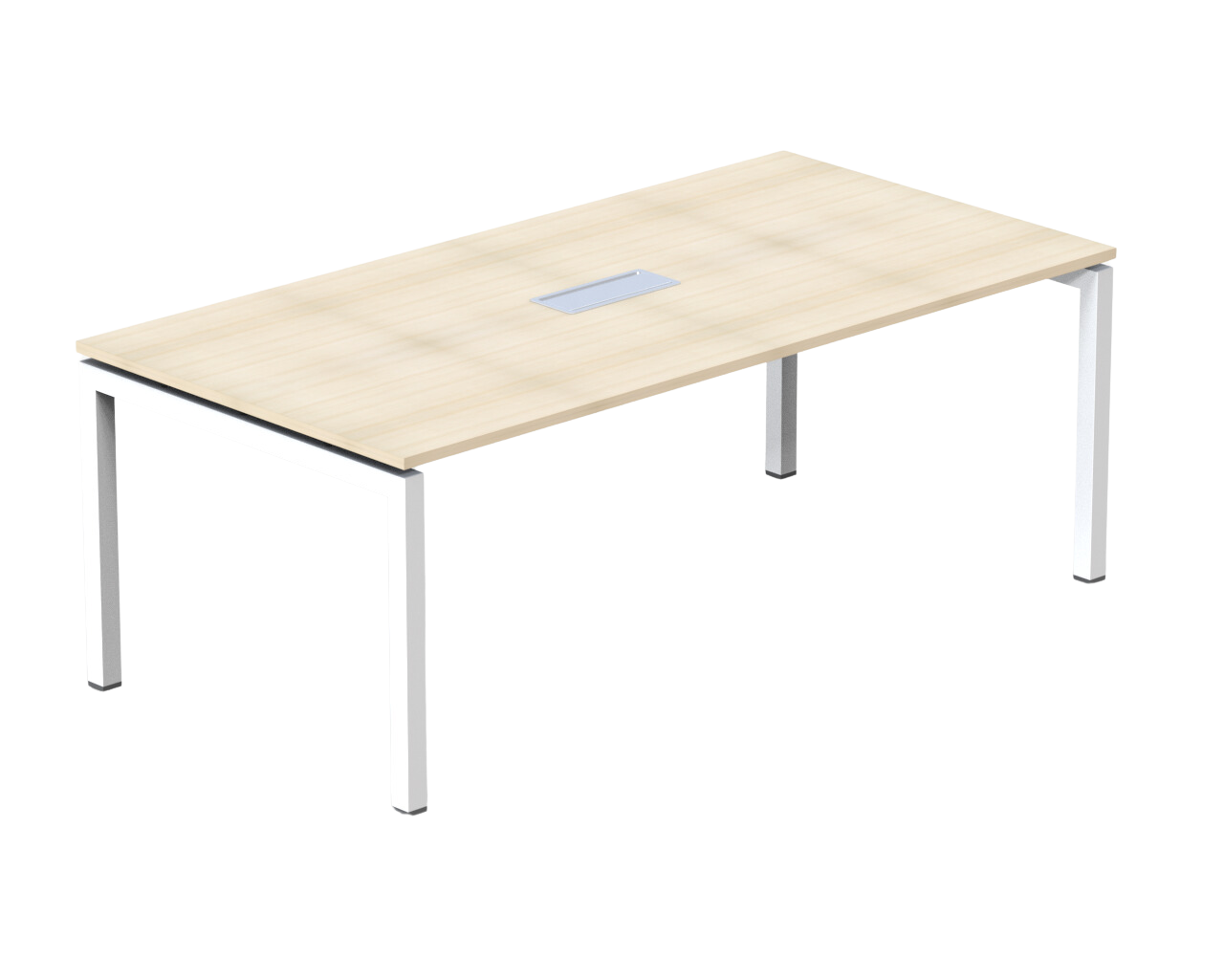
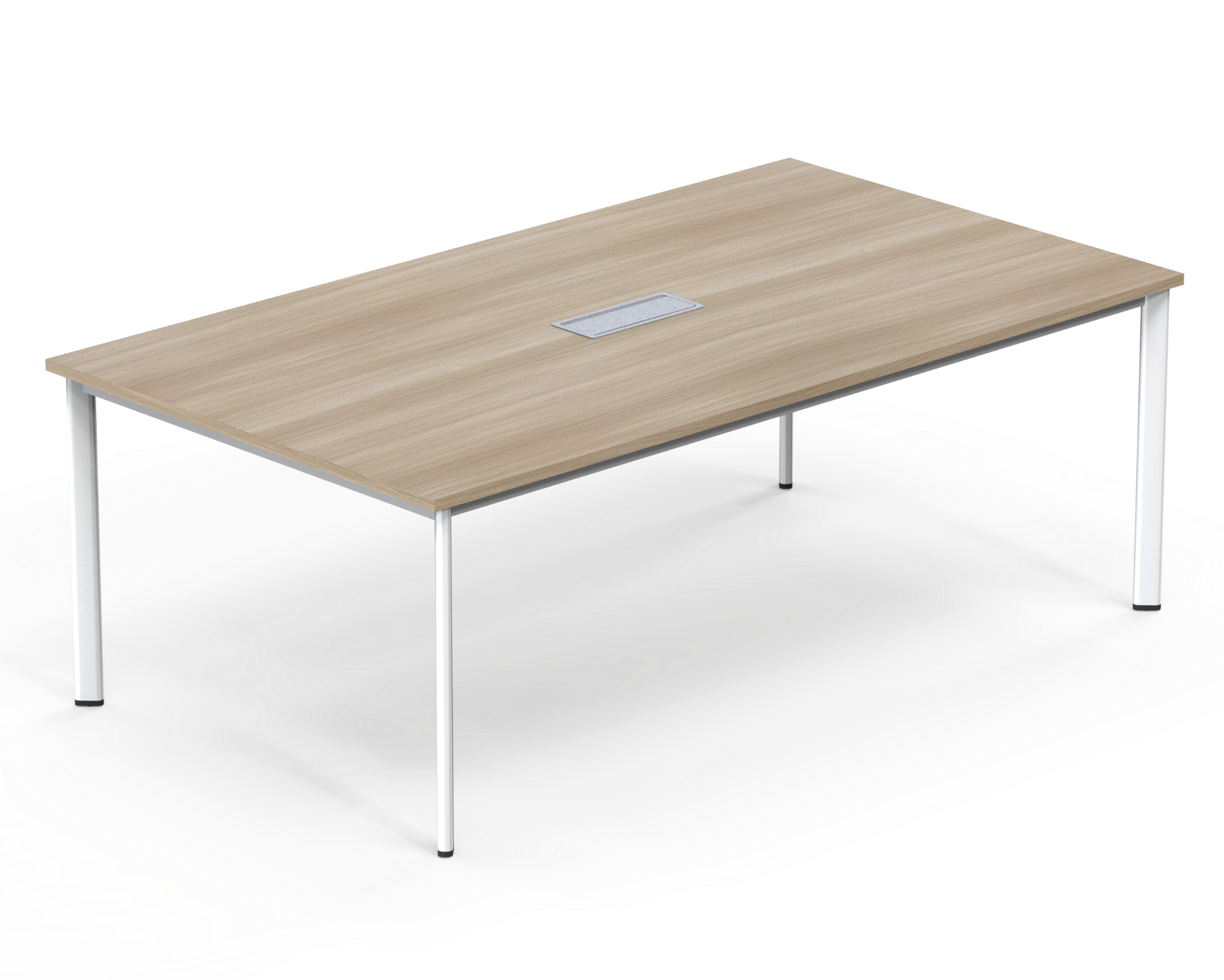
The Square BHS-3612 meeting table with 3600 mm length is ideal for 10 to 12 people. Its minimalist design, wide surface and durable materials suit long term business use.
Executive desks showing leadership presence
Executive desks are not only for work but also a statement of style and status. They are usually large, elegant and include storage to keep the area neat.
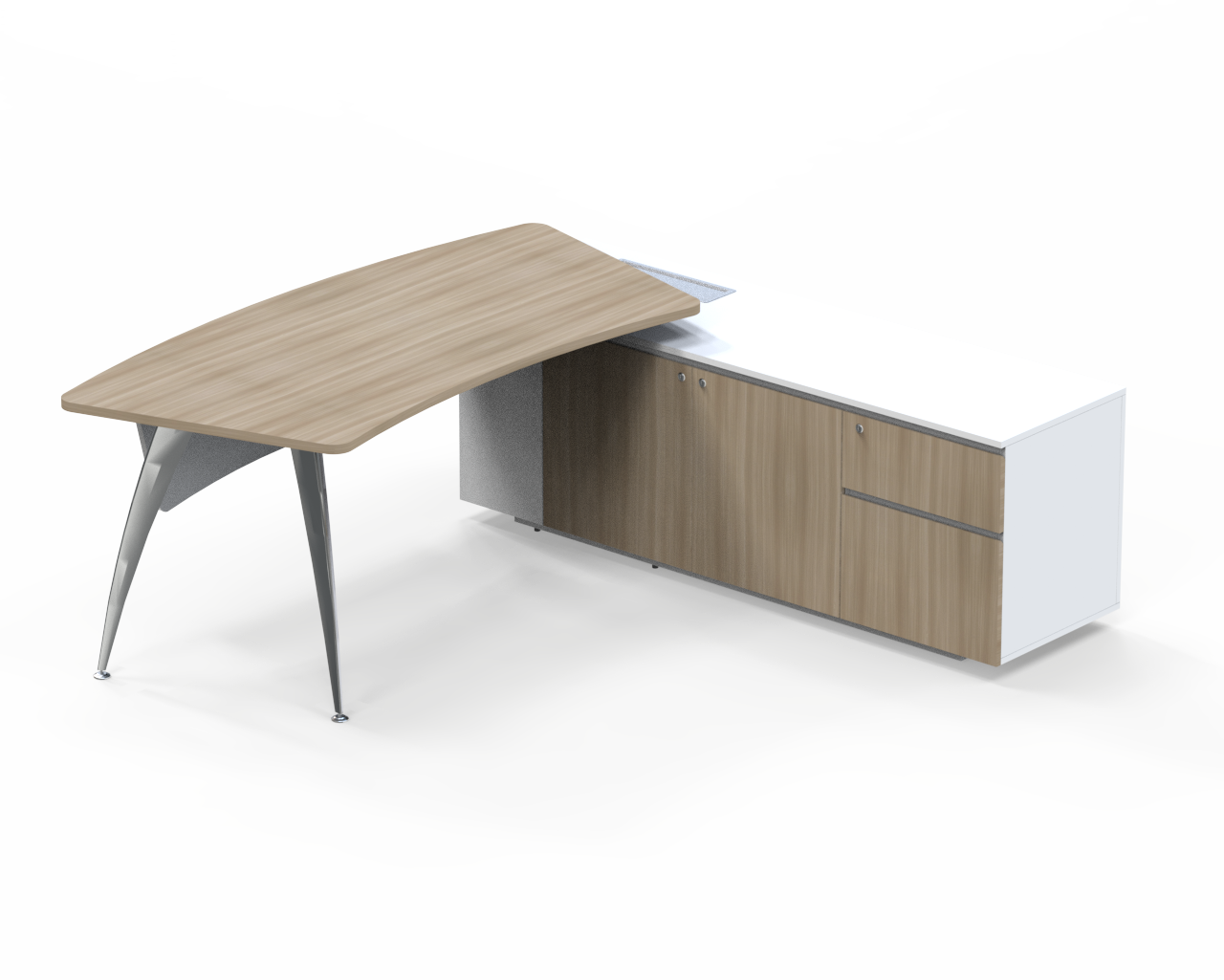
The Curve BGD02-1818 executive desk meets these needs with modern design and side cabinet. Cast aluminum legs and premium melamine MFC top provide durability and a sophisticated look.
Layout tips for modern office desks
Proper desk layout helps maximize space and efficiency. In small to medium offices, desks arranged in straight lines or modules create order and keep walkways clear.
Combining desks with low partitions, mobile cabinets or personal drawers adds privacy while keeping the space open. Low partitions also reduce noise and distraction.
For hybrid or flexible offices, mixing individual desks, small team desks and quick meeting tables allows the space to adapt to different activities throughout the day.
Experience in choosing quality modern office desks
When buying modern office desks, do not focus only on design. Consider overall quality, consistency and long term usability. Choosing a full service furniture provider helps ensure desks fit the space, style and other items such as chairs and cabinets.
Experience and clear warranty policies are also important. A reliable supplier provides proper advice, installation support and fast problem handling, especially for large office projects.
Finally, balance budget with long term value. A high quality flexible desk reduces replacement and repair costs and adapts easily when the office grows or changes, giving more sustainable investment value.
Conclusion
Office desks are a core element in creating an effective, professional and sustainable workspace. Choosing the right desks for space and usage helps optimize cost, boost productivity and build a modern long term working environment.
If you are a business, dealer or architect looking for flexible office furniture solutions, contact The Mia via hotline 1900 0324 or fill in the form on the website for free consultation and 3D layout design.
The Mia synchronized modern and professional office furniture solutions.
Other news

- Business Registration Number: 0305955903, date of Issue: September 3, 2008
- Issued by: Department of Planning and Investment of Ho Chi Minh City
- Legal Representative: Nguyễn Thành Long

