

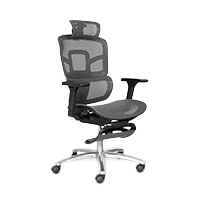
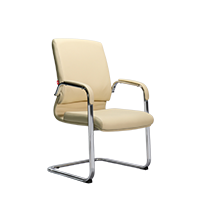
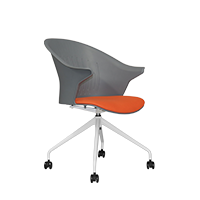
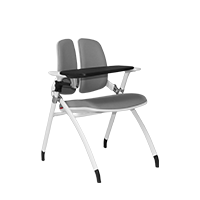


How to Use an Ergonomic Chair to Keep It Durable and Beautiful Over Time
Why is it Necessary to Use an Ergonomic Chair Correctly?
An ergonomic chair can last for many years if used correctly from the start. Conversely, daily incorrect habits silently shorten the product's lifespan and directly affect the user's health.
-
Preserves mechanical structure: Parts like the gas lift, mechanism, and tilt joints are under constant force, so correct operation helps limit premature wear.
-
Maintains chair frame stability: Sitting with balanced weight helps distribute the load evenly across the support system and prevents screws from loosening.
-
Protects the mesh and seat cushion: Correct posture reduces pressure concentrated on one point and minimizes sagging.
-
Prevents armrest damage: Applying moderate force helps keep the joints sturdy over time.
-
Ensures safety during use: Reclining at the correct angle helps avoid the risk of losing balance.
-
Maintains effective spinal support: The chair fulfills its function correctly when all parts are properly adjusted.
-
Reduces repair costs: Correct habits help minimize early replacement of parts.
-
Extends product lifespan: Scientific use helps the chair maintain its shape and function stably for many years.

Adjusting Your Ergonomic Chair Correctly from the Start
Proper setup from the beginning determines long-term durability and usage efficiency. Mastering how to use an ergonomic chair helps you avoid early damage and maintain a comfortable experience.
Adjusting Chair Height
Chair height needs to be set so that your feet are flat on the floor, thighs parallel to the ground, reducing pressure on your back and improving blood circulation. If the chair is too high, your feet will dangle, causing thigh strain; too low, and your knees bear excessive force, leading to numbness. Setting the correct height from the start is an important step in using an ergonomic chair to maintain long-term spinal stability.
Adjusting the Backrest and Recline Tension
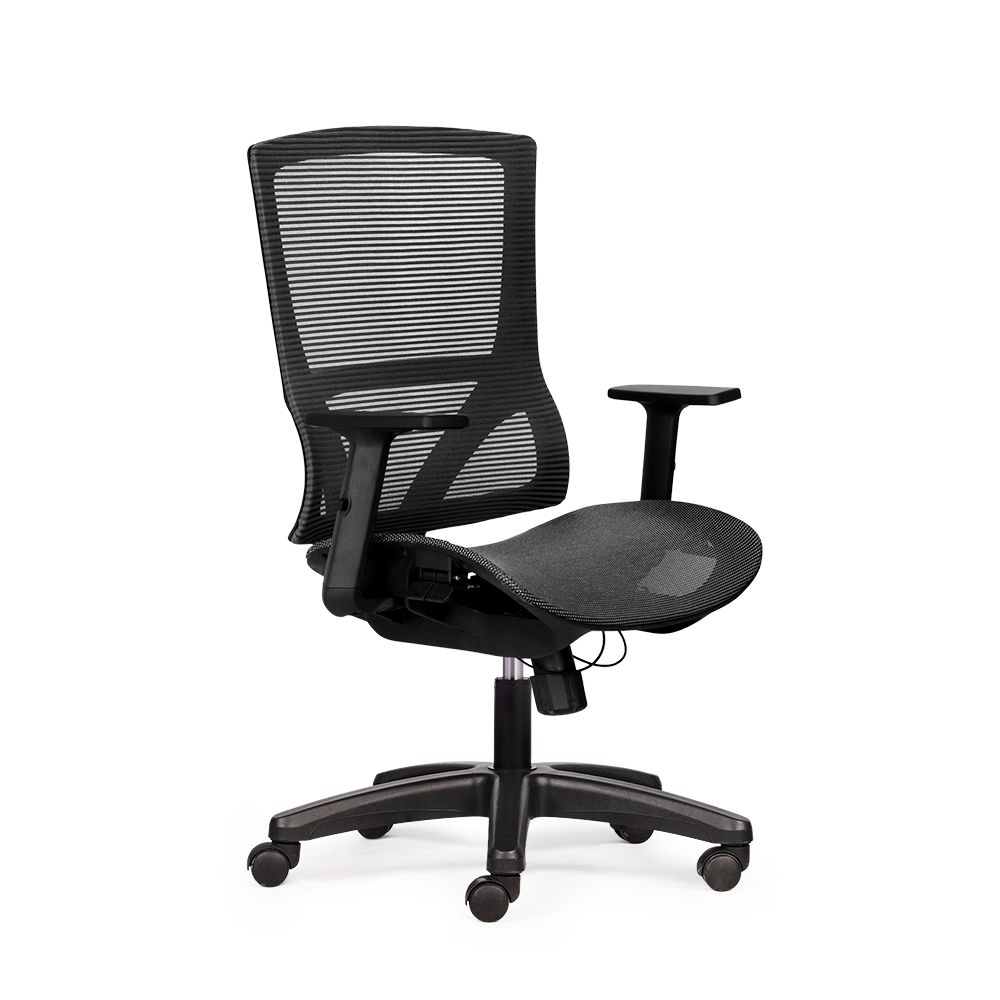
The backrest should hug your back closely, helping to distribute force evenly instead of concentrating pressure on one fixed point. While working, maintain a stable recline angle; relax gently only when taking breaks to avoid strong impacts on the chair mechanism. Controlling the recline angle appropriately perfects your ergonomic chair usage and minimizes wear on the recline mechanism.
Adjusting Lumbar Support
The lumbar support must be positioned at the natural curve of your spine to maintain the correct physiological curve. If placed too high or too low, the spine can easily become misaligned, causing fatigue after many hours of work. Doing this step correctly helps you perfect your ergonomic chair usage and protect your back effectively.
Adjusting Armrests
Armrests should be level with your elbows so your shoulders are relaxed and your arms aren't dangling. Do not rest your entire body weight on the armrests, as high pressure can easily loosen the joints over time. Proper adjustment supports arm flexibility and contributes to maintaining correct ergonomic chair usage.
Adjusting the Headrest
The headrest should support the neck and head area when resting, keeping the head in a comfortable, neutral state. Do not use the headrest as a primary support point bearing full weight when reclining deeply backward. Setting the headrest correctly helps perfect your ergonomic chair usage and increases part durability.
Daily Habits for Long-Lasting Ergonomic Chair Use
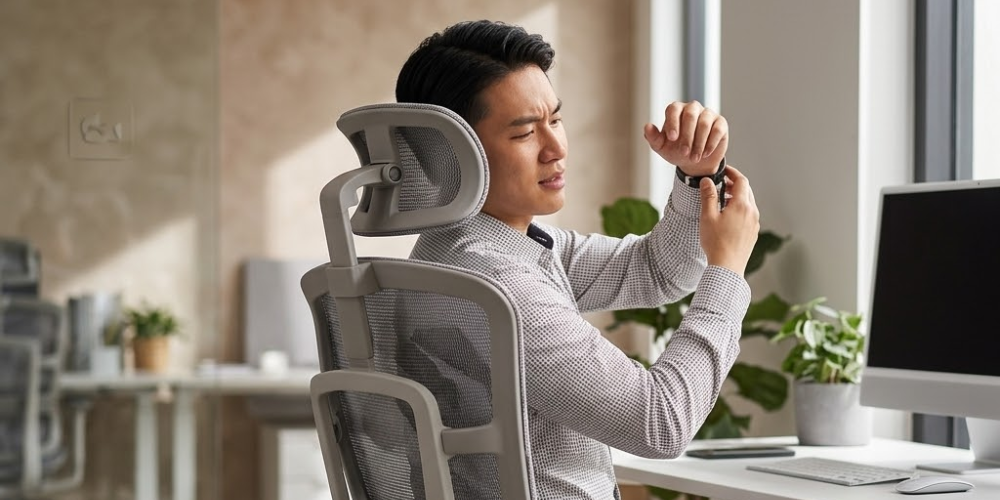
For an ergonomic chair to remain durable and beautiful over the years, daily usage habits play a huge role. Just changing a few small behaviors can significantly extend the chair's lifespan and keep its operating mechanisms stable.
-
Sit with correct body alignment: Place your hips all the way back in the chair so the frame and gas lift bear the load evenly.
-
Ensure smooth swiveling: Avoid sudden or forceful twisting while reclining.
-
Control force when reclining: Lean back in a controlled manner instead of flopping back suddenly.
-
Do not stand or bounce on the chair: The gas lift and mechanism are not designed for direct vertical impact loads.
-
Avoid resting full weight on armrests: Armrests are only meant to support arms, not as a primary support point.
-
Move the chair correctly: Check the casters before pulling to prevent jamming and axle misalignment.
-
Keep the chair area dry: High humidity can easily affect metal parts and mesh fabric.
-
Do not hang heavy objects on the chair back: Off-center weight over time can deform the frame.
Habits That Quickly Damage Your Ergonomic Chair (And Should Be Avoided)
An ergonomic chair can last many years, but its actual lifespan heavily depends on daily usage habits. Many seemingly harmless actions can silently cause parts to degrade quickly.
-
Sitting off-center for too long: Force concentrated on one side puts uneven pressure on the mechanism and gas lift, leading to play and noise over time.
-
Crossing legs while working: This puts continuous off-center load on the frame, reducing its overall stability.
-
Reclining suddenly or too forcefully: The recline mechanism and springs can degrade quickly, affecting durability.
-
Resting full body weight on armrests: Armrest joints can loosen and risk cracking.
-
Standing or bouncing hard on the chair: This exceeds the safe design load capacity of the structure.
-
Dragging the chair when casters are stuck: Causes rapid wear on caster axles and reduces smooth movement.
-
Hanging heavy objects on the chair back: Shifts the center of gravity, reducing balance.
-
Placing the chair in damp areas or direct sunlight: Mesh, leather, and metal frames age faster.
-
Not cleaning and checking periodically: Dust buildup can jam moving parts and reduce operating efficiency.

Discover the TOP 3 high-end, best-value ergonomic office chairs in 2026
Cleaning Your Ergonomic Chair Properly
Keeping your chair clean is crucial for maintaining its durability and aesthetics over time. Proper cleaning also helps keep operating mechanisms stable and prevents part failures.
-
Regular surface cleaning: Wipe away dust with a soft, dry or slightly damp cloth, at least once a week to prevent dust buildup.
-
Cleaning mesh chairs correctly: Use a vacuum cleaner with a small nozzle to remove dust from within the mesh fibers, avoiding vigorous scrubbing that can stretch or fray the surface.
-
Safe leather chair cleaning: Use a specialist leather cleaner and a soft cloth to wipe gently, preventing surface cracking over time.
-
Clean casters regularly: Check and remove tangled hair or foreign objects stuck in the wheels to ensure smooth movement and reduce noise.
-
Care for moving joints: Wipe dust from joint points and apply specialist lubricant periodically to maintain flexibility.
-
Avoid harsh chemicals: Do not use solutions with high alcohol content or corrosive agents, as they can damage the protective coating.
-
Keep the chair in a dry environment: Avoid placing the chair in direct sunlight or damp areas to protect the frame and upholstery materials.
Periodic Maintenance for Your Ergonomic Chair
For an ergonomic chair to operate smoothly and last for many years, it needs periodic checks rather than waiting for problems to occur. Proper maintenance helps detect technical risks early, maintain stability, and ensure safety for long-term use.
-
Periodically check and tighten screws: Ensure all joints are always secure, minimizing looseness that causes noise or imbalance when sitting.
-
Inspect the gas lift and piston: Monitor whether the height adjustment is still smooth or if there are any signs of unexpected sinking.
-
Observe the mechanism and tilt function: Ensure the main load-bearing parts are not misaligned or making unusual sounds when changing posture.
-
Clean and lightly lubricate moving joints: Reduces friction, increases smoothness, and minimizes internal part wear.
-
Check casters and swivels: Remove tangled hair or accumulated dirt that causes wheels to jam, affecting movement flexibility.
-
Assess the elasticity of mesh or seat cushion: Detect early signs of sagging for timely action.

What to Note When Using an Ergonomic Chair for Long Periods?
Sitting for many hours each day makes an ergonomic chair a long-term companion for office workers. To fully utilize its functions and maintain product durability, keep these important principles in mind.
-
Change posture periodically: Every 30-60 minutes, stand up and move around gently to reduce pressure on the spine and stimulate blood circulation.
-
Avoid sitting continuously for too long: Maintaining one fixed posture for many hours strains back, neck, and shoulder muscles.
-
Readjust the chair to your body: When your weight or work habits change, you should readjust the height and recline angle accordingly.
-
Keep your back against the chair: Utilize the lumbar support system to protect the spine's natural curve.
-
Limit deep reclining while working: Only recline fully when resting to avoid putting excessive pressure on the gas lift and mechanism.
-
Clean and check periodically: Remove dust from casters and tighten screws to ensure stable operation.
-
Listen to your body's signals: If you experience prolonged pain or fatigue, adjust your posture or take a break immediately.
When to Replace or Repair Your Ergonomic Chair?
No matter how durable an ergonomic chair is, it has a finite lifespan. Recognizing early signs of degradation helps you avoid safety risks and save costs in the long run.
-
Chair makes unusual noises when swiveling or reclining: Persistent squeaking or grinding indicates worn joints or mechanism that need early inspection.
-
Gas lift sinks or won't hold height: The chair lowering by itself is a sign of failing gas pressure in the cylinder.
-
Backrest loses its original elasticity: A loose backrest fails to support the spine correctly.
-
Chair frame wobbles when sitting: The load-bearing structure may have weakened, causing instability and posing a risk of breakage.
-
Casters move with difficulty or are jammed: Long-term dust buildup or worn axles may require replacement.
-
Armrests are loose or out of alignment: Prolonged pressure can compromise the tightness of armrest joints.
-
Seat cushion is visibly flattened or deformed: Loss of foam elasticity increases pressure on hips and thighs.
-
Repair costs exceed the remaining useful value: Replacing the entire chair may be more economical and safer in the long term.
Effective use of an ergonomic chair lies not in complex operations, but in consistent and correct technique. When the chair is properly cared for, you will significantly save on repair and replacement costs. Start building standard usage habits today. Additionally, if you are interested in quality office chair solutions from The Mia. Contact us at 1900 0324 for detailed advice.
Other news

- Business Registration Number: 0305955903, date of Issue: September 3, 2008
- Issued by: Department of Planning and Investment of Ho Chi Minh City
- Legal Representative: Nguyễn Thành Long

