

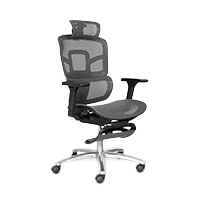
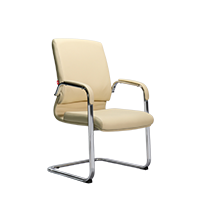
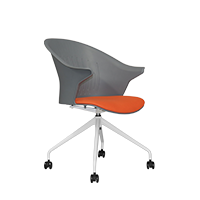
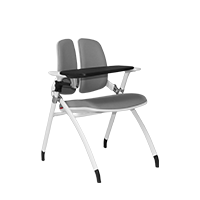

Standard conference chair dimensions, latest updated 2026
What are the standard conference chair dimensions?
The specifications of a standard chair need to be calculated carefully to perfectly match the user's body shape and accompanying office equipment.

Common conference chair height
-
Seat height: According to actual technical standards, the seat height reaches 430mm. This is the "golden number" that helps the seated person's feet rest flat on the floor, creating a natural angle for the knees and ensuring the best blood circulation during prolonged discussion sessions.
-
Overall height: For medium-back chairs, the height from the floor to the top of the backrest reaches 910mm. This specification helps the chair maintain neatness, does not obstruct vision, and suits modern conference room architecture.
Standard chair depth and width
-
Overall width: Dimensions including armrests reach 610mm. This width ensures a spacious seating area, helping employees easily change postures without feeling cramped or bumping into neighbors.
-
Seat depth: The specification reaches 500mm, allowing the thighs and hips to be fully supported. This depth enables the lower back to fully contact the backrest, directly supporting the spine and effectively preventing fatigue.
Backrest and armrest dimensions
The backrest system is designed with a soft curve closely following the physiological curve, combined with armrests at a height proportional to the table. Detailed calculation of armrest dimensions helps relax shoulders and reduce mechanical pressure on the neck, thereby increasing employee concentration throughout the meeting.

Why is it necessary to choose the correct conference chair dimensions?
The compatibility between employee body shape and product functionality is the "key" to maintaining high concentration levels in every discussion session. At The Mia, we always emphasize 3 core values when businesses own chairs with standard dimensions:
-
Protecting health and preventing office-related diseases: Standard chair dimensions help position a scientific sitting posture, keeping the spine straight and feet firmly on the floor. This directly limits conditions such as shoulder and neck pain, herniated discs, and supports better blood circulation when employees must meet continuously for many hours.
-
Promoting performance and creativity: Mechanical comfort helps participants eliminate distractions caused by physical pain. When the body is in a state of optimal relaxation, the brain can easily activate innovative thinking and make the most accurate strategic decisions for the organization.
-
Optimizing area and traffic flow: Choosing the right chair dimensions corresponding to the floor area makes the meeting room space neat and airy. Ensuring standard gaps helps employees easily enter and exit seating positions without collisions, thereby maintaining a formal and professional meeting atmosphere.
-
Enhancing aesthetics and organizational stature: A chair system with uniform dimensions, fitting perfectly with the meeting table, creates balance in the overall architecture. This meticulousness not only creates a good impression on employees but also demonstrates the organization's management stature to partners and strategic customers.
How to choose conference chair dimensions suitable for your space
Each type of space requires a distinct arrangement solution to optimize functionality and visual experience. At The Mia, we suggest selection criteria based on actual area to help businesses set up the most professional meeting space in 2026.
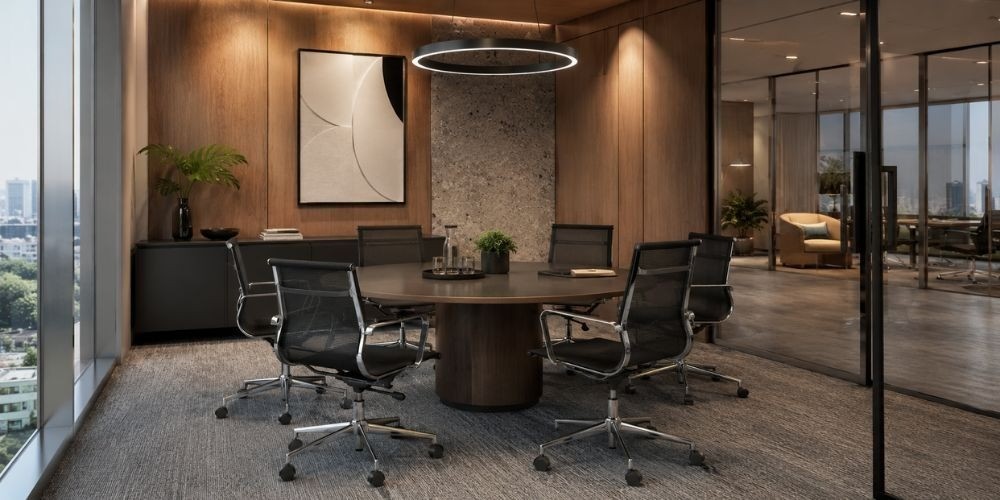
Small meeting rooms under 15m2
-
Prioritize compactness: Businesses should choose chair models with seat widths from 450mm to 480mm and eliminate armrest details. This design allows chairs to be easily stacked under the table after use, returning spaciousness to the floor.
-
Optimized base diameter: Using chairs with a kneeling base or swivel base having a base diameter smaller than 600mm helps employees easily enter and exit positions without bumping into colleagues.
-
Visual liberation: Medium-back mesh chairs with white plastic frames will create a space-expanding effect, making the small room feel lighter and less stuffy.
Medium meeting rooms 15 - 30m2
-
Standard dimensions: Chairs with widths from 500mm to 550mm are ideal choices to provide comfort for employees during meetings lasting 1 - 2 hours.
-
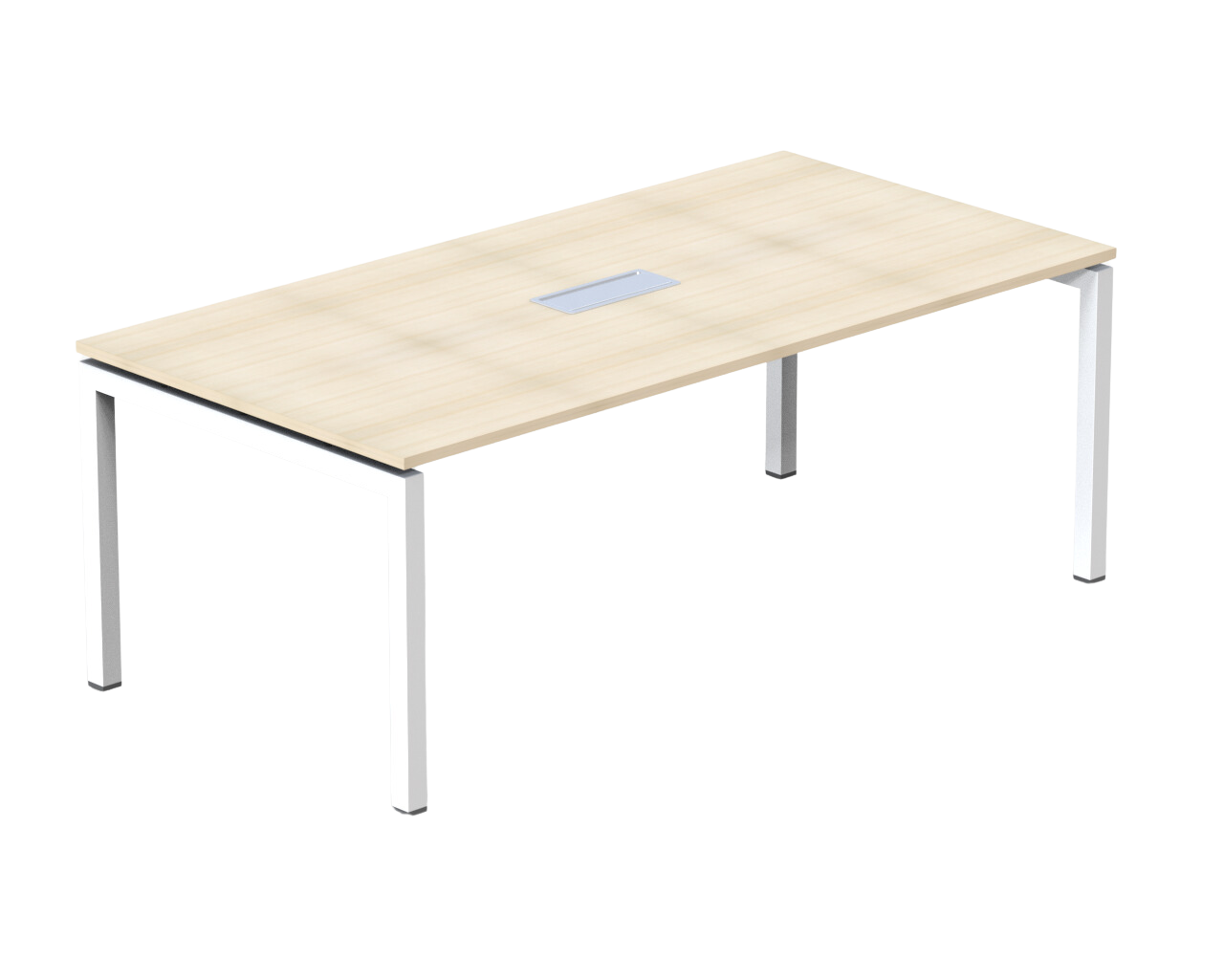
Aesthetic balance: Choosing chairs with a moderate backrest height (medium back) helps maintain balance with meeting tables commonly having lengths from 2m to 3.2m.
-
Arrangement distance: Ensure the distance between the centers of two adjacent chairs reaches from 650mm to 700mm, giving each individual enough private space to operate a computer or take notes.
Large meeting rooms and conference halls
-
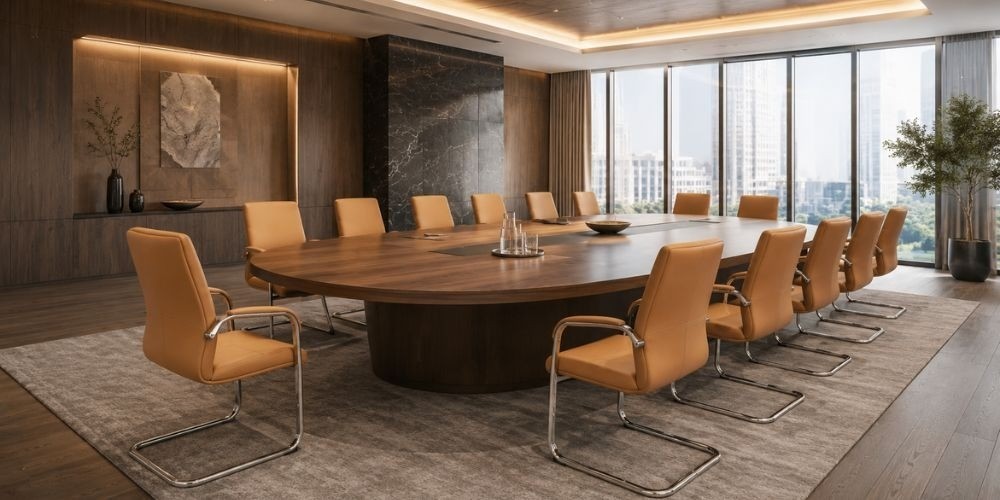
Affirm stature: Spacious space allows businesses to equip grand leather chairs or high-back ergonomic chairs with widths over 550mm. These designs bring an authoritative look and ensure the organization's leading position.
-
Maximum support: Large armrest and headrest dimensions help employees relax best during long shareholder meetings or strategic contract signings lasting many hours.
-
Aisle setup: For hall scale, businesses need to calculate chair dimensions so that aisles between rows are at least 900mm wide to ensure smooth and safe circulation.
Standard distance between chairs in a meeting room
Maximizing floor area while maintaining airiness requires managers to carefully calculate the mechanical touchpoints between furniture and users. At The Mia, we recommend golden distance specifications to help organizations operate their meeting spaces most smoothly.
Minimum distance between chairs
Maintaining a gap of 150mm to 200mm between the edges of adjacent chairs is a mandatory standard to help employees easily move their arms and turn their gaze without bumping into colleagues. This distance ensures a comfortable personal operating space, helping each member fully concentrate on discussion content without feeling their private area is invaded.
Distance between chair and meeting table
-
When in use: The distance from the table edge to the chair backrest should reach 500mm to 600mm to ensure enough space for employees to stand up and leave their seats conveniently.
-
Working distance: The distance from the seat surface to the table edge needs to be maintained at 250mm to 300mm to support an upright sitting posture, helping arms rest on the table at the most natural angle and limiting slouching that causes pain.
Notes for large-scale arrangement
-
Movement aisle: Businesses need to establish an aisle behind the row of chairs at least 900mm wide to ensure smooth circulation in the meeting room, avoiding congestion when many people enter or exit simultaneously.
-
Symmetrical layout: Arranging chairs along symmetrical axes or in a U-shape helps create a focal point toward the presenter, while ensuring uniform distances to maintain professional aesthetics for the furniture system.
-
Correlation with table legs: Carefully check the position of meeting table legs to avoid chairs getting stuck or not being able to slide in neatly, thereby protecting the chair leg frame from unnecessary mechanical collisions.
Conference chair models meeting standard dimensions 2026
Choosing products according to spatial segments helps organizations optimize infrastructure problems and ensure long-term comfort for employees.
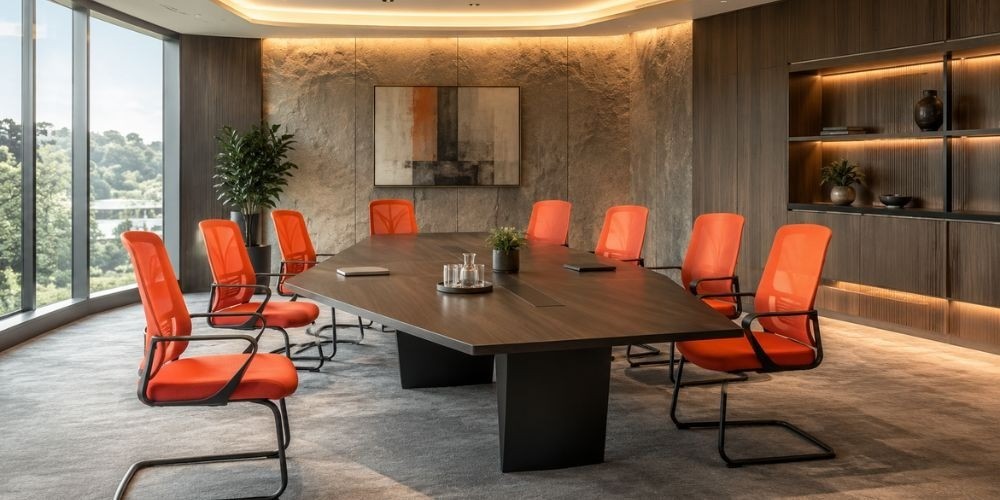
Compact design conference chairs for small spaces
These chairs prioritize simplicity in structure, eliminating armrests or using small leg frames to effectively save floor space.
-
M1090 - 02: Armless design with modern white plastic frame, easy to arrange densely around the meeting table without causing a cramped feeling.
-
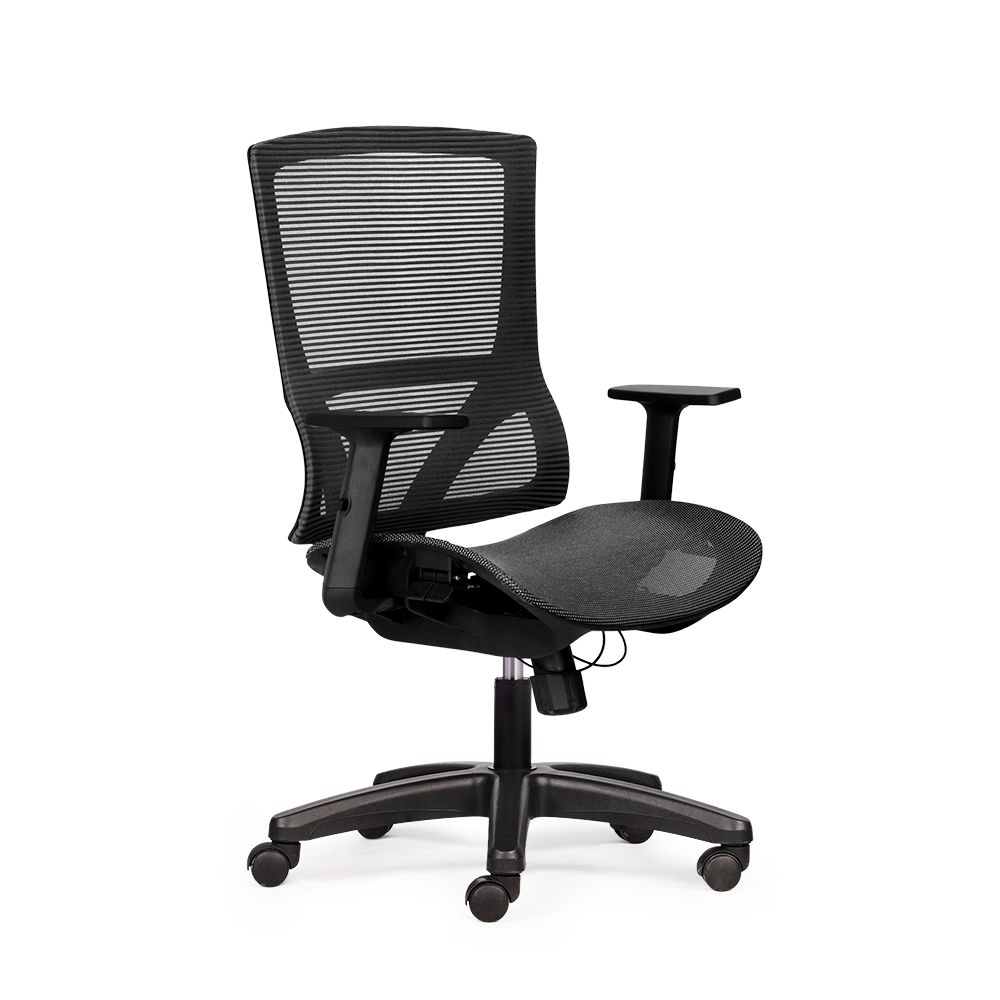
M1086 - 02: Compact medium-back kneeling base chair with mesh cover, maximizing visual space liberation for meeting rooms under 15m2.
-
M1102 D - 03: Static kneeling base structure ensures neatness, helping employees quickly enter and exit positions in quick discussion spaces.
Standard ergonomic conference chairs
This product line possesses golden specifications for adjustable height and seat depth, personalizing the sitting experience and optimally protecting the spine.
-
M1007 - 05: Chrome-plated iron frame combined with multi-point elastic mesh back, perfectly supporting the seated person's physiological curve.
-
M1018 - 01: Smooth BIFMA piston system with 50mm thick molded foam cushion providing the most accurate sitting posture in 2026.
-
M1069 - 02: The combination of durable plastic frame and elastic mesh surface protects employees' lower backs, reducing mechanical pressure during long meetings.
High-end conference chairs for large meeting rooms
Below are 3 high-end kneeling base chair models, specialized for large meeting room spaces at The Mia:
-
AIRFLEX D-03 Chair: The product features a durable plastic frame back covered with breathable mesh, supporting a fixed spine, and a sturdy powder-coated iron kneeling base.
-
M1101 D-03 Chair: Superior design with spine support and flexible adjustable armrests, combined with a 50mm thick high-elasticity cushion.
-
M1110 D-04 Chair: Modern black plastic frame model covered with fabric/mesh, equipped with adjustable lumbar support and durable powder-coated iron legs.
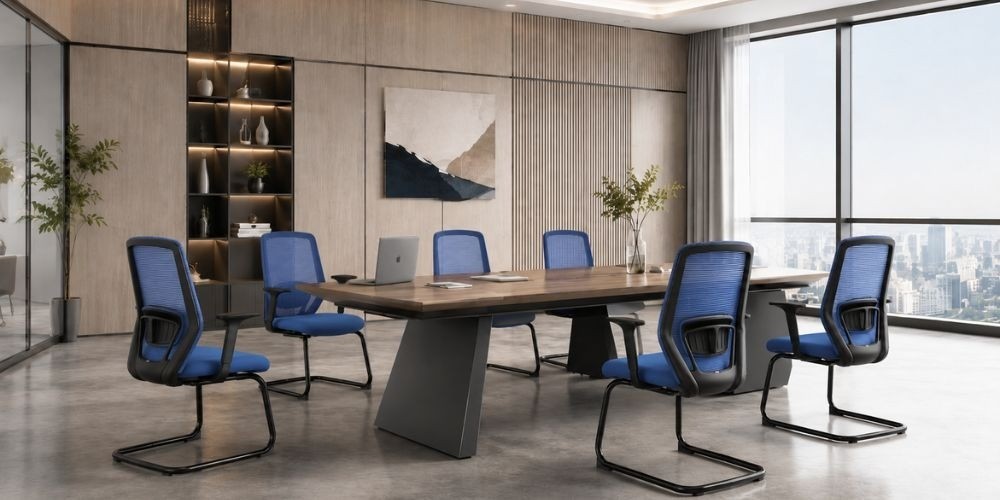
Common mistakes when choosing conference chair dimensions
Avoiding mistakes in chair dimension selection helps businesses save on modification costs and ensures the professionalism of the meeting space. Below are common errors managers often encounter during furniture infrastructure setup:
-
Choosing chair dimensions too large compared to the meeting table: Using chair models with overly wide widths or substantial armrests for short meeting tables makes seating positions cramped, causing difficulty for employees when operating computers or taking notes.
-
Not calculating rear movement space: Arranging too many chairs in a narrow area without leaving a minimum aisle of 900mm blocks pathways, reduces professionalism, and hinders emergency situations.
-
Ignoring compatibility between chair height and under-table clearance: Choosing chairs with excessively high armrests prevents the product from being fully pushed under the tabletop after a meeting ends. This wastes floor area and creates a cluttered feeling in the office.
-
Using chairs of inconsistent dimensions: Combining different chair models with varying backrest heights in the same space disrupts visual balance, directly affecting brand image in the eyes of partners.
Conclusion
Establishing the correct conference chair dimensions is a strategic step that helps businesses optimize infrastructure resources and protect human value. We hope these latest updated standards will help you soon complete your ideal meeting space. Please contact The Mia immediately for advice on interior solutions meeting anthropometric standards along with a reliable 2-year warranty policy.
Other news

- Business Registration Number: 0305955903, date of Issue: September 3, 2008
- Issued by: Department of Planning and Investment of Ho Chi Minh City
- Legal Representative: Nguyễn Thành Long

