

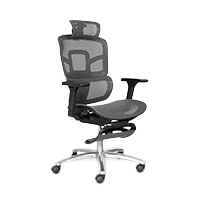
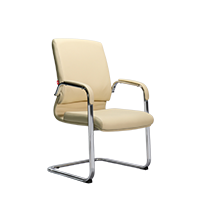
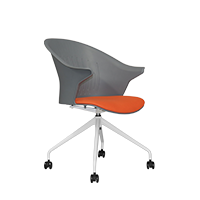
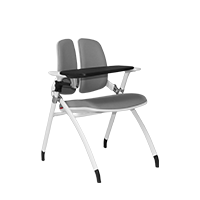


Standard Ergonomic Chair Dimensions Suitable for Vietnamese People
Standard ergonomic chair dimensions help relieve pressure on the musculoskeletal system while creating a scientific working posture for long days. Choosing specifications compatible with your physique helps you stay away from shoulder and neck pain caused by using equipment that does not fit your body shape. Discover the secret to choosing chairs according to anthropometric standards at The Mia to protect your sustainable health!
Why Do Ergonomic Chair Dimensions Directly Affect Health?
Understanding the relationship between technical specifications and the body's responses helps users proactively prevent chronic office-related illnesses. Inappropriate ergonomic chair dimensions are the leading cause of incorrect posture and negative pressure on the cervical vertebrae. When anthropometric contact points are set accurately, the blood circulation system will function smoothly, completely eliminating numbness or fatigue.
-
Defining a scientifically standard sitting posture: A chair with a compatible seat height helps your feet make full contact with the floor to distribute body weight evenly.
-
Minimizing pressure on intervertebral discs and the spine: A suitably sized backrest that hugs the lumbar region helps relieve stress on the main muscle groups that bear weight daily.
-
Promoting blood circulation and metabolism: Accurate seat depth prevents the seat edge from pressing against the popliteal area, which can cause vascular blockage, and maintains mental clarity.
-
Comprehensive support for the musculoskeletal system: A headrest and armrests with appropriate dimensions gently support the weight of the arms to reduce strain on the shoulder and neck joints.
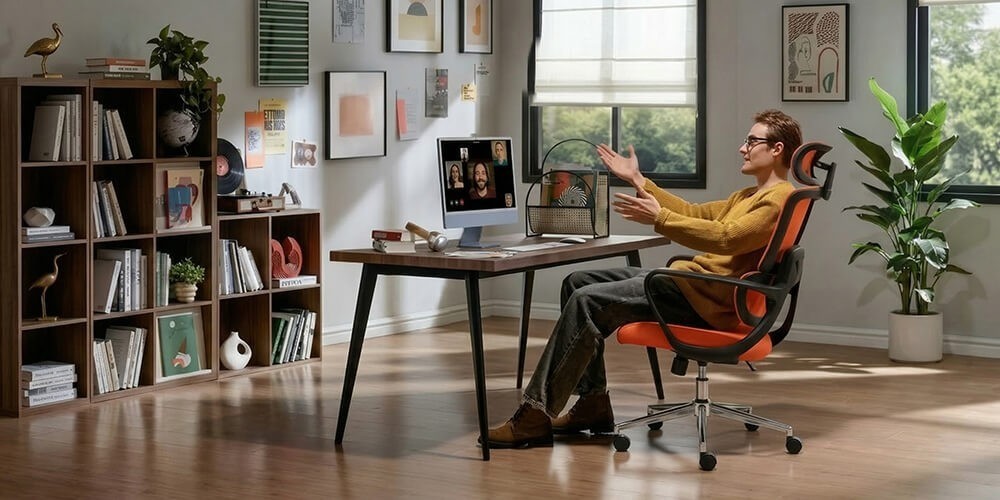
Vietnamese Body Shape and Ergonomic Chair Design Standards
Understanding the differences in anthropometric characteristics between continents helps you easily find a product line that perfectly matches your body. The detailed analyses below clarify the importance of choosing a design suitable for the specific physique of local users:
-
Compatibility with the average height of Vietnamese people: Chair lines with adjusted dimensions allow your feet to rest comfortably on the floor without needing an additional footrest, thanks to a design suitable for smaller body frames.
-
Optimized lumbar support and headrest position: The distance from the seat to the headrest is shortened to match the length of the back, providing precise support for the neck, shoulders, and upper back while closely following the vertebrae.
-
Improved seat width and depth: A well-fitted seat surface helps users avoid the situation where their feet don't reach the floor, ensuring there is an ideal gap at the popliteal area for blood circulation.
-
Flexible adjustability for local users: The height adjustment levels and armrest depth are meticulously calculated based on actual arm span, providing a complete sense of control over the equipment.
Standard Ergonomic Chair Dimensions for Vietnamese People
Mastering anthropometric technical specifications helps users accurately choose health-supporting equipment that perfectly matches their physique. The standards below provide a detailed data system to create a scientific and comfortable working posture every day.
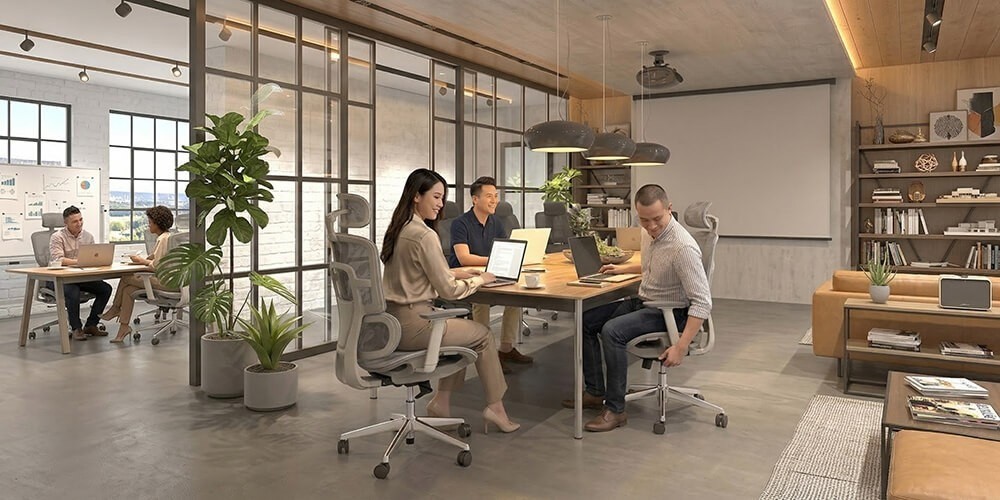
Overall Chair Height
The comprehensive ergonomic chair dimension typically ranges from 1050mm to 1300mm to ensure the stability of the entire frame. The ability to flexibly adjust the height helps the equipment adapt well to various office environments and all user types today. You should prioritize chairs with a gas lift that operates smoothly to maintain body balance throughout data processing.
>>> Link to article: Which type of ergonomic chair is good? A to Z buying experience
Seat Height
Choosing an ergonomic chair dimension with a seat height from 400mm to 520mm helps the soles of the feet always make full contact with the floor surface. The correct leg posture creates a ninety-degree angle at the knee joint, completely eliminating pressure on the thigh and hip area. Compatibility in height helps the blood circulation system function smoothly and thoroughly prevents leg numbness when sitting for long periods.
Seat Depth
The distance from the seat edge to the backrest should be maintained from 400mm to 450mm to define a straight sitting posture that closely follows the vertebrae. Users should ensure a gap of two to four centimeters between the seat edge and the popliteal area to completely relieve vascular stress. Accurately determining the ergonomic chair dimension for the seat pan provides a comfortable experience, helping you maintain enduring work performance.
Seat Width
The standard seat width from 450mm to 500mm allows users to change postures flexibly without causing a feeling of constraint in the hip area. A spacious seating area helps distribute pressure evenly across the seat surface, preventing the user from sliding forward while working. Setting a reasonable ergonomic chair dimension for this part helps you always feel confident and full of creative inspiration each new day.
Backrest Height
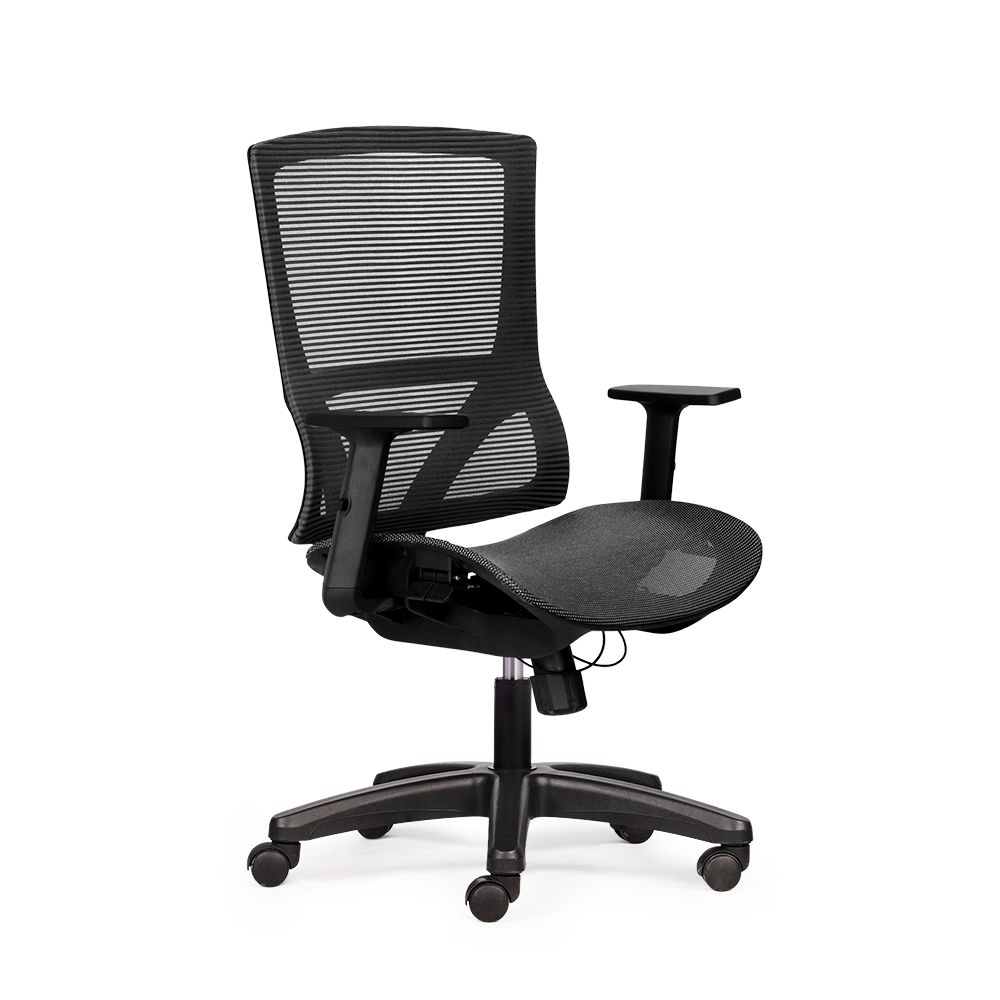
The backrest system needs a height from 500mm to 800mm to comprehensively support the muscle groups in the lumbar and shoulder areas. The curved design mimicking the S-shape helps relieve stress on the spine for those who frequently sit working for many consecutive hours. Applying the correct ergonomic chair dimension for the back helps protect natural posture and effectively prevent chronic office-related illnesses.
Headrest Height
The neck support part needs flexible adjustment within the range of 150mm to 200mm to perfectly suit the actual height of the majority of Vietnamese people. Multi-directional adjustment features help the headrest fit snugly against the nape area, eliminating neck pain after periods of intense concentration. The harmonious combination of technical specifications creates an in-depth medical solution that helps quickly restore physical condition right at the desk.
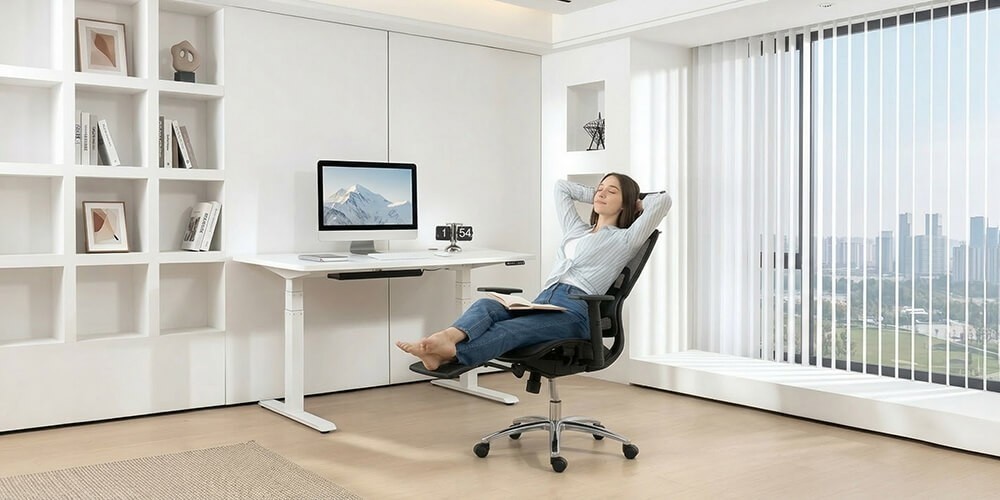
Standard Ergonomic Chair Armrest Dimensions
Setting the specifications for the arm support part plays a decisive role in relieving pressure on the shoulder and neck muscles during long working hours. A support system that meets anthropometric standards needs maximum flexibility to match all of the user's natural movements daily.
-
Armrest height relative to the seat surface: The ideal specification should range from 180mm to 250mm to help the elbow form a 90-degree angle when operating the keyboard.
-
Width distance between the two armrests: This dimension needs to be calculated based on the average shoulder width of Vietnamese people to prevent arms from being spread too wide or pressed too close to the body.
-
Flexible multi-directional adjustment capability: Modern chair lines allow changing positions in 3D or 4D directions, helping the support closely follow all movements of the wrist and forearm accurately.
-
Contact surface material of the armrest: Prioritize soft plastic or padded foam covered with fabric to minimize soreness and create maximum comfort for the elbow area when resting for long periods.
How to Choose Ergonomic Chair Dimensions According to User Height
Adjusting technical specifications based on individual body measurements helps you find the perfect support point to maintain sustainable spinal health. Depending on specific height ranges, users need to note distinct selection criteria to ensure the chair maximizes its anthropometric support functions:
-
User group with height below 1m60: You should prioritize chair models with a shallow seat pan and a piston that lowers to the maximum to ensure the soles of the feet rest flat on the floor.
-
User group with height from 1m60 to 1m75: This common range is suitable for most standard chair models with a lumbar support system that adjusts flexibly according to the spinal curve.
-
User group with height above 1m75: Chair models with a high backrest combined with a headrest offering extended adjustment levels will help protect the neck, shoulder, and upper back area most completely.
-
Choosing for family members with special body shapes: Prioritizing equipment with multi-point adjustability helps all user types find a scientifically balanced sitting posture.
How to Choose Ergonomic Chair Dimensions According to Needs
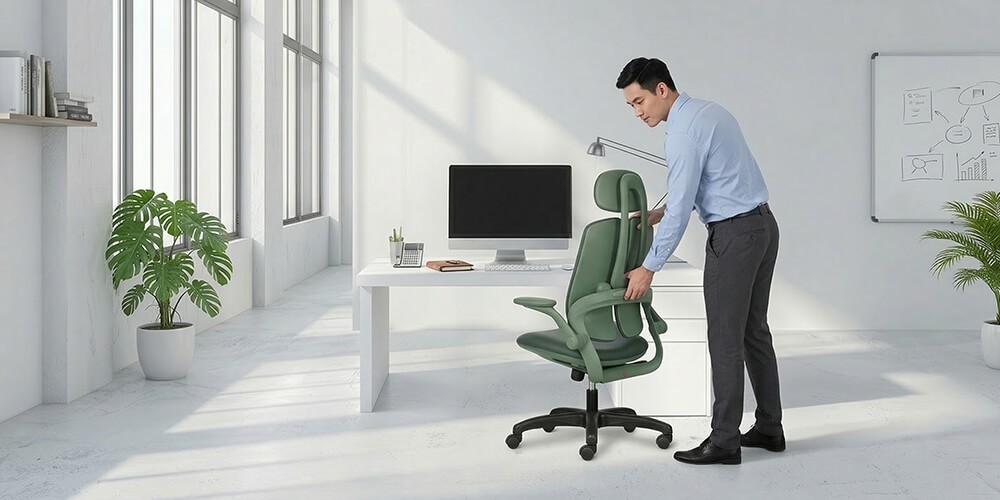
Choosing ergonomic chair dimensions depends not only on body height but also on the specific characteristics of daily work. When the chair is selected correctly according to usage needs, the user can maintain a standard sitting posture and minimize back pain and shoulder-neck strain when working for long periods.
-
Office employees: Prioritize chairs with a seat height of about 400-520mm along with a backrest supporting the lumbar area to maintain a standard sitting posture for 6-8 working hours each day.
-
Managers, leaders: Should choose chairs with a high backrest and larger overall dimensions to fully support the back, neck, shoulders, and upper back, while creating a comfortable feeling during meetings or long working hours.
-
Programmers/Designers/Editors: Need a chair with a seat depth of about 400-450mm combined with flexibly adjustable armrests to reduce pressure on the wrists and shoulders when sitting focused in front of a screen for extended periods.
How to Check if an Ergonomic Chair Fits Your Body?
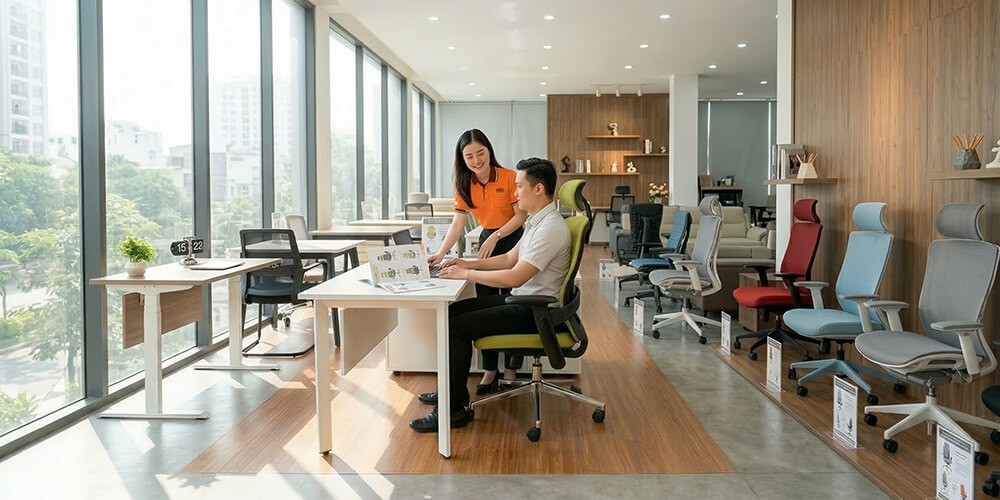
Testing directly at the store helps you accurately assess the equipment's compatibility with your personal musculoskeletal system. The following indicators help customers make wise purchasing decisions to protect long-term health:
-
Observe the angle of the knees and feet: The soles of the feet need to make full contact with the floor while the thighs are parallel to the ground to distribute body weight evenly daily.
-
Feel the snugness of the lumbar support system: The chair backrest must closely follow the spinal curve, helping you maintain a naturally straight sitting posture without exerting too much effort.
-
Check the gap between the popliteal area and the seat edge: The ideal distance should be about two to three fingers wide, allowing blood vessels to circulate smoothly and eliminating leg numbness when sitting for long periods.
-
Test the flexibility of the armrests and headrest: These parts must gently support the elbow area and neck, completely relieving pressure on the musculoskeletal system.
-
Assess the comfort of the seat pan when rotating: The seat area needs to be spacious enough so that the hips are not constrained while supporting the user in changing postures flexibly throughout the work process.
>>> Discover the ergonomic chair collection at The Mia now
Common Mistakes When Choosing Ergonomic Chair Dimensions
Filtering common mistakes during the purchasing process helps you avoid health risks and wasted personal budget. The practical experiences below help users accurately identify psychological traps to choose a standard spinal support device:
-
Prioritizing design over anthropometric specifications: Many customers choose products based on a luxurious appearance but overlook indicators like incompatible seat height, leading to significant pressure on the musculoskeletal system.
-
Completely trusting fixed-size chair models: The biggest mistake is choosing equipment lacking multi-point adjustability for parts like armrests or headrests, making it difficult for the body to find a natural point of support.
-
Skipping the actual trial sitting phase at the showroom: Deciding to purchase based solely on advertising images can easily lead you to buy a chair that is either too wide or too narrow for your actual bone structure.
-
Choosing a gas lift with insufficient adjustment levels: A piston with a limited range restricts the feet's ability to reach the floor, causing knee joint strain and hindering effective blood circulation.
Conclusion
Suitable ergonomic chair dimensions are the key to unlocking absolute comfort and elevating creative inspiration in all professional tasks. Investing in equipment with accurate specifications helps you protect your spine and maintain an ideal physical condition every day. Contact 1900 0324 now at The Mia for advice on chair models with dimensions that perfectly match you!
Other news

- Business Registration Number: 0305955903, date of Issue: September 3, 2008
- Issued by: Department of Planning and Investment of Ho Chi Minh City
- Legal Representative: Nguyễn Thành Long

