

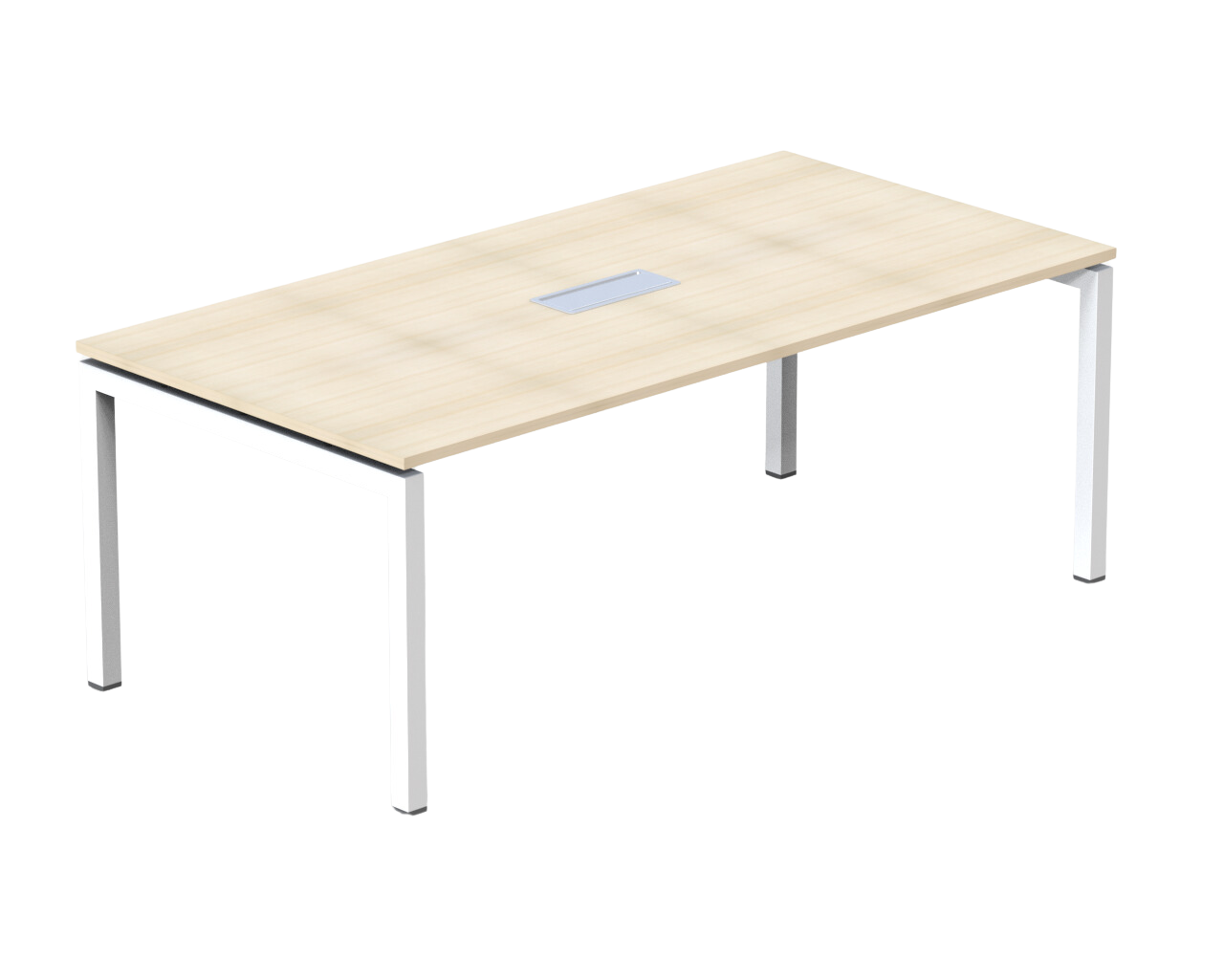
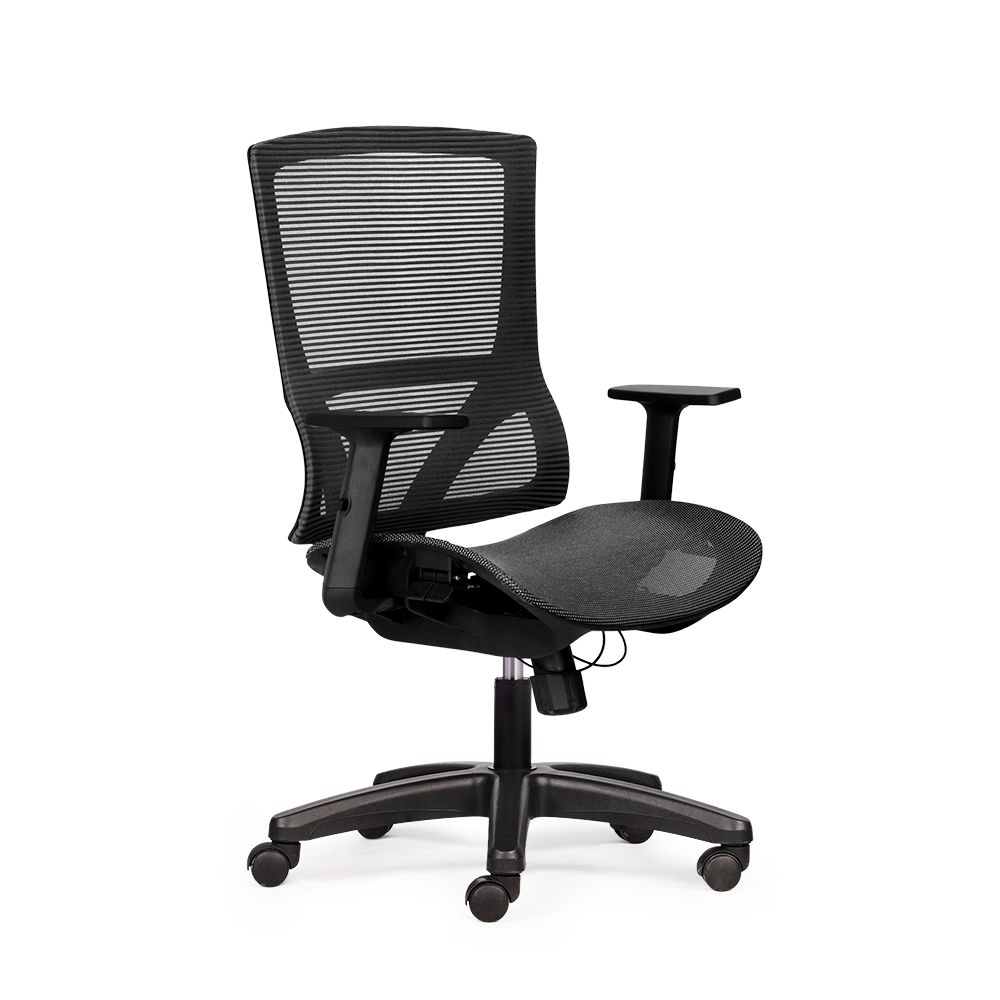
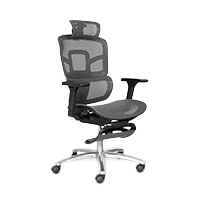
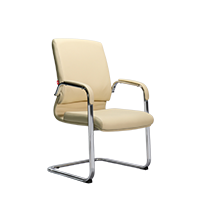
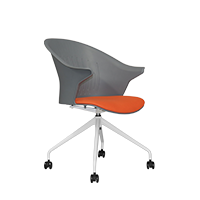
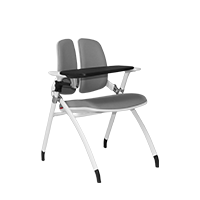

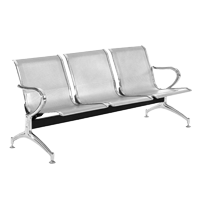

Standard Office Chair Dimensions - Detailed Specification Table
Are Office Chair Dimensions Important?
In the modern office furniture ecosystem, office chair dimensions are not merely qualitative parameters but the result of anthropometric research aimed at establishing absolute compatibility between the user entity and the operating environment. Disregarding standard indicators in chair design not only leads to a break in experience but also directly causes serious health and economic consequences for the organization.
The importance of standardizing chair dimensions is demonstrated through three strategic pillars:
-
Ensuring musculoskeletal structure: A compatible design helps maintain the natural curvature of the spine, minimizes intradiscal pressure, and prevents occupational syndromes.
-
Optimizing circulation and metabolism: Accurate seat height and depth are key factors in releasing pressure on the popliteal area, promoting peripheral blood circulation.
-
Increasing performance and surplus value: Investing in standard chair dimensions is how businesses affirm a humane management mindset. Reducing physical fatigue by 25% through standard furniture is a direct lever to improve labor productivity and affirm the professional position of the business.
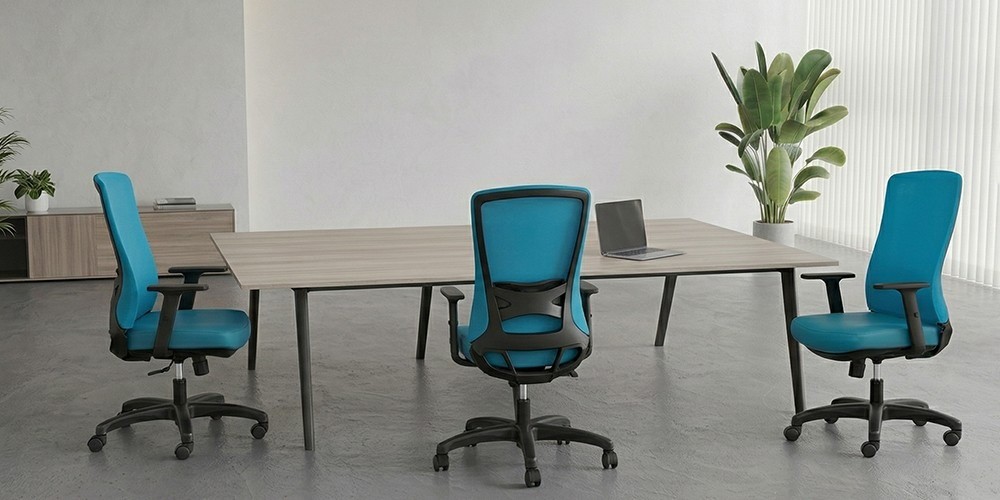
Standard Office Chair Dimensions
Establishing a system of technical specifications for seating is not simply choosing random numbers but inheriting scientific research on human anatomy in the working environment. A standard office chair dimension structure is the key to creating a sustainable workspace, where labor performance is combined with employees' physical health.
Standard Seat Height
This is the most important indicator determining the stability of the user's pelvis and legs:
-
Common adjustment range: The standard piston system usually allows a variable range from 400mm to 530mm. This is a safe variation range that helps the sitter find the most solid mechanical fulcrum.
-
Compatibility with Vietnamese stature: The Mia's chair models are specially calibrated to suit East Asian anthropometrics, ensuring the foot makes flat contact with the floor, creating a 90-degree angle at the knee joint.
-
Ratio relative to the desk system: The seat height needs to be calculated to be 250mm to 300mm lower than the desk surface, helping the elbows work in a neutral position, avoiding shoulder and neck muscle tension syndrome.
Seat Depth
Depth is a factor that directly impacts the venous system and nerves in the lower extremities:
-
Ideal distance: The standard depth must maintain a gap of 50mm to 100mm between the seat edge and the popliteal area (a distance of 2-3 fingers).
-
Circulatory impact: If the seat is too deep, the seat edge will compress the popliteal area, hindering peripheral blood circulation. Conversely, a too-shallow seat will not fully support the thigh area, leading to localized pressure on the sitting bones.
Seat Width
This parameter ensures comfort during natural movements when working at high intensity:
-
Minimum standard: Usable width typically ranges from 450mm to 520mm, providing enough space for the hip area.
-
Body type optimization: Choosing the correct office chair width helps users flexibly change sitting positions without being restricted by armrests, minimizing mechanical stress for the pelvic area.
Backrest Height
The backrest plays the role of supporting the entire spine and upper body weight:
-
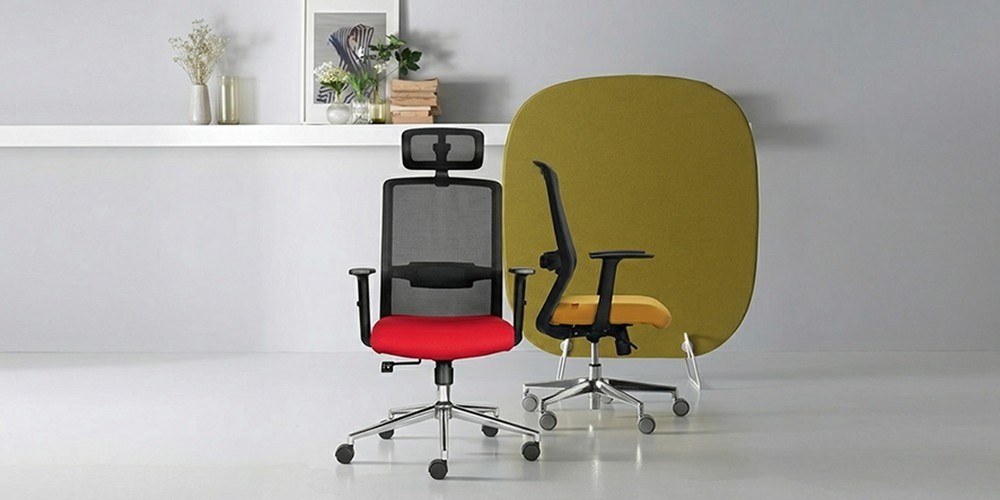
Support segments: Mid-back models are usually 450mm - 600mm high, focusing on flexibility, while High-back models from 700mm - 850mm provide comprehensive support up to the neck area.
-
Strategic according to position: Mid-back chairs are often prioritized for employee departments to optimize open-plan office space, while high-back chairs are a symbolic choice for leadership positions, affirming management status and power.
Lumbar Support Dimensions
This is the heart of modern ergonomic designs to protect the L1-L5 vertebrae:
-
Physiological curve position: This part must be placed precisely at the lumbar area to maintain the spine's natural curvature, reducing pressure on the intervertebral discs.
-
Adjustment mechanism: A standard office chair dimension needs a Lumbar Support that allows height adjustment of at least 50mm to match each user's unique back curve.
Armrest Dimensions
Armrests are a fulcrum to relieve pressure on the shoulder and neck muscle system:
-
Standard height: Should be within 180mm to 250mm from the seat surface so the shoulder blades are completely relaxed in a natural position.
-
Distance between armrests: The width between two armrests is usually from 460mm to 510mm, ensuring the arms are not pressed against the ribs or forced too wide apart, causing shoulder joint fatigue.
Office Chair Dimensions by Chair Type
Each product line is calculated based on specialized office chair dimension indicators to meet operational needs, from employee flexibility to the luxury and dignity of leaders. Choosing the correct technical specifications for each area will directly elevate the professional image and ensure sustainable work performance for the entire organization.
Employee Chair
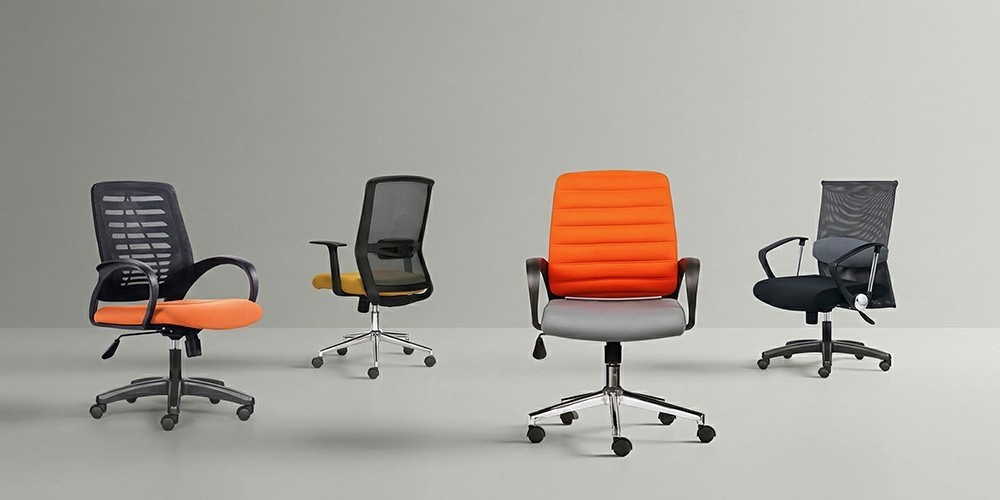
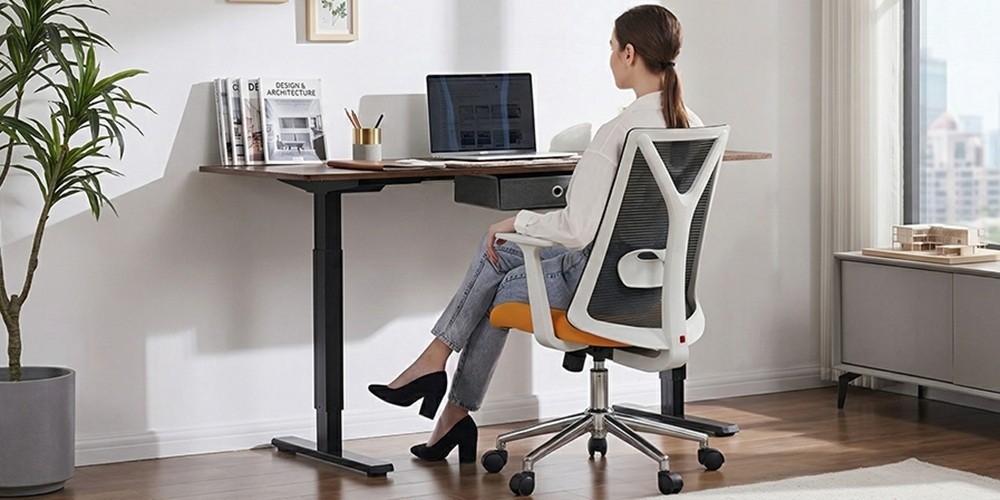
In open-plan office spaces, employee chairs often prioritize compact parameters to optimize seating density while still ensuring comfort.
-
Seat height: Ranges from 420mm – 520mm, allowing flexible adjustment corresponding to standard 750mm high work desks.
-
Width and depth: Usually maintained at 450mm – 480mm, this size ensures comfort for the majority of Vietnamese staff body types, while also creating neatness for common aisles.
-
Backrest: Usually the Mid-back type, helping to free the shoulders and neck, supporting dynamism during group interactions.
See more: Office chairs for employees working 8 hours: which type should you choose?
Ergonomic Chair
This chair line represents the pinnacle of anthropometric thinking, focusing maximally on protecting user health during high-intensity work.
-
Absolute customizability: The difference in ergonomic office chair dimensions lies in multi-point adjustability, from seat depth to headrest height.
-
High backrest: Backrest height usually reaches 700mm – 850mm, closely following the physiological curve of the spine, helping to offload pressure on intervertebral discs and muscles throughout an 8-hour work cycle.
-
3D/4D armrests: Allow changes in height, width, and rotation angle, ensuring the arms are always in a neutral state.
See more: Ergonomic chair collection from The Mia
Executive Chair
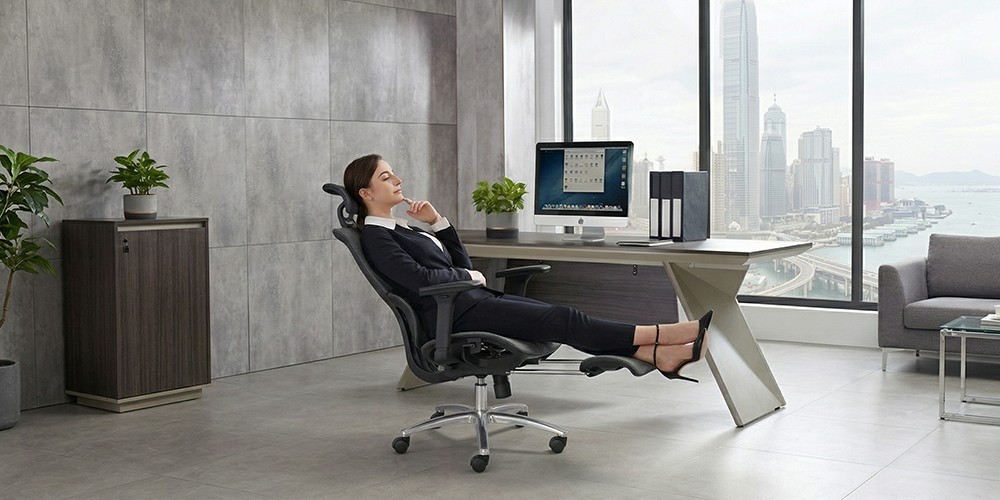
Chairs for leaders require not only comfort but also exude the position and authority of the leader.
Grand dimensions: Compared to regular chair lines, executive chairs have a seat width ranging from 500mm – 600mm and a prominently high backrest, creating a solid and powerful support.
Thick and soft cushion: Uses high-density molded foam with great thickness, combined with premium upholstery materials, providing absolute comfort during prolonged meetings.
Base structure: The swivel base diameter is usually larger (about 660mm – 700mm) to ensure balance when reclining for relaxation at large angles.
See more: Top leadership chair models favored by businesses in 2026
Meeting Chair
The specificity of meeting spaces requires concentration and stability, so the dimensions of this chair type have their own standards.
Fixed structure: Seat height is usually fixed at 450mm – 480mm to synchronize the sitting position of all members around the meeting table.
Compact design: Width is usually limited to 450mm – 500mm to optimize the number of attendees in the meeting room without causing a cramped feeling.
Spinal support: Even for common chair lines, adherence to standard office chair dimension indicators regarding backrest inclination is still emphasized to maintain alertness and concentration for staff.
How to Choose the Right Office Chair Dimensions
Establishing furniture purchasing standards based on actual technical specifications is the foundation for businesses to optimize investment value and protect worker health. A scientific office chair dimension selection strategy needs to be based on the intersection of staff anthropometric characteristics, operational intensity, and the actual spatial context.
Choose According to Body Height
Compatibility between user height and chair structure is a prerequisite for maintaining a neutral sitting posture, minimizing pressure on the disc system.
User group under 1m60: Prioritize chair models with an optimized low seat height range. This ensures the foot makes full contact with the floor, preventing thigh pressure causing numbness.
User group from 1m60 – 1m75: This is the common body frame of Vietnamese people, suitable for standard office chair dimension models. However, prioritize models with a flexible piston adjustment to fine-tune according to specific body types.
User group above 1m75: Pay special attention to high-back chair models with large seat depth. Using a chair too small for the bone structure will lose the shoulder and neck support, causing kyphosis syndrome and prolonged spinal pain.
See more: Sitting on an ergonomic chair causes back pain: Causes and solutions
Choose According to Usage Intensity and Duration
Time spent in contact with the chair is directly proportional to the requirements for mechanical support and ergonomic features of the product.
Use under 4 hours/day: Suitable for basic office chair models with compact design. This is an economical choice for job positions that require a lot of movement or temporary work areas.
Use from 6 – 8 hours/day: Mandatory to invest in mid-back or specialized ergonomic chair lines. In this segment, office chair dimensions need to integrate an adjustable Lumbar Support to maintain concentration levels and reduce physical fatigue for staff.
Choose According to Spatial Context and Office Area
Chair dimensions must harmonize with the overall design language and furniture layout density to ensure smooth traffic flow.
Limited office space: Prioritize chair models with armless design or fixed, compact armrests. Optimizing the floor space occupied by chairs helps the office feel airy and avoids a stuffy feeling.
Leadership office: Requires chair models with grand dimensions, high backrest, and expanded base. This not only meets the need for on-site rest but is also a factor of status recognition, creating dignity and professionalism during strategic partner receptions.
How to Measure and Check Office Chair Dimensions Before Buying
Performing a technical specification verification process before approving orders helps businesses eliminate risks of anthropometric deviation. Accurately measuring office chair dimension indicators serves as a technical barrier protecting health and work performance.
Determine Seat Height
Measuring the height from the floor to the cushion surface ensures the user's feet are always placed flat and create a right angle at the knee joint. This parameter must be absolutely compatible with the under-desk clearance so employees can work comfortably without feeling constrained. Businesses should prioritize chair models with a flexible piston system to optimize adaptability to different staff body types.
Check Seat Depth
The distance from the seat edge to the lumbar contact point needs to be maintained at a sufficient level to support the user's entire thigh area. Accurate seat depth helps release pressure at the popliteal area and promotes continuous blood circulation throughout the work shift. Choosing the wrong depth parameter will lead to spinal pain and reduce the concentration level of the staff.
Verify Backrest Dimensions
The height and width of the backrest must accurately simulate the physiological curve of the spine to provide a solid support point for the user. A standard backrest structure helps distribute body weight evenly and effectively prevents common occupational syndromes. Investing in chair models with appropriate backrest dimensions is a strategic solution to enhance surplus value for the entire business.
Where to Buy Standard Size Office Chairs Reputably?
The current furniture market records a diversity of designs, however, to find a supplier capable of providing chairs meeting international BIFMA standards and suitable for Vietnamese stature, The Mia is the leading trusted destination for businesses and professional contractors.
Manufacturing capacity and technical standards: Owning a large-scale factory system with a strict quality control process, we commit that every product code strictly adheres to standard office chair dimension indicators. This ensures absolute synchronization for office projects ranging from hundreds to thousands of staff.
In-depth understanding of anthropometrics: Our experts not only sell a chair but also bring a scientific sitting solution. Each product line, from employee chairs, department head chairs to executive chairs, is meticulously calculated regarding seat height, seat cushion depth, and Lumbar Support position to provide the most comfortable experience.
After-sales and long-term maintenance policies: Investing in our products is investing in peace of mind. With official warranty policies and readily available replacement parts, businesses can optimize product life cycles and minimize reinvestment costs in the long term.
Experience showroom system: Customers can directly measure and verify dimensions at modern showrooms in Hanoi, Da Nang, Can Tho, and Ho Chi Minh City to ensure the product is completely compatible with the space and design orientation of the office.
Conclusion
Choosing accurate standard office chair dimensions is not only a technical requirement but also an affirmation of a humane management mindset. Let The Mia help you create a standard workspace, protect your team's health, and elevate your business performance today.

Other news

- Business Registration Number: 0305955903, date of Issue: September 3, 2008
- Issued by: Department of Planning and Investment of Ho Chi Minh City
- Legal Representative: Nguyễn Thành Long

